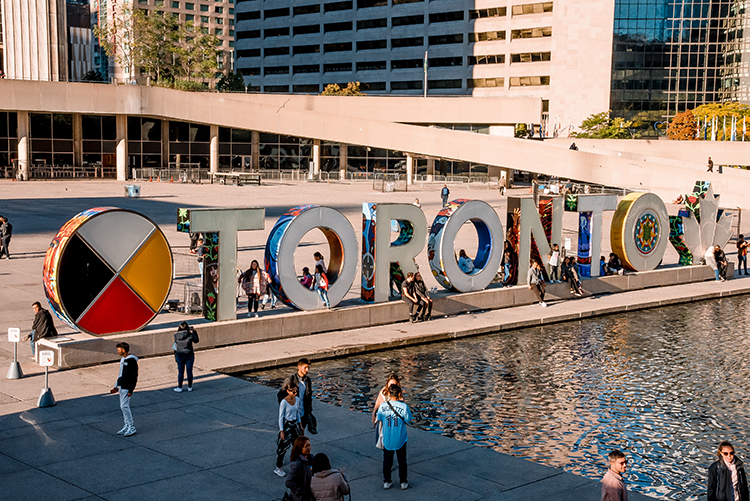
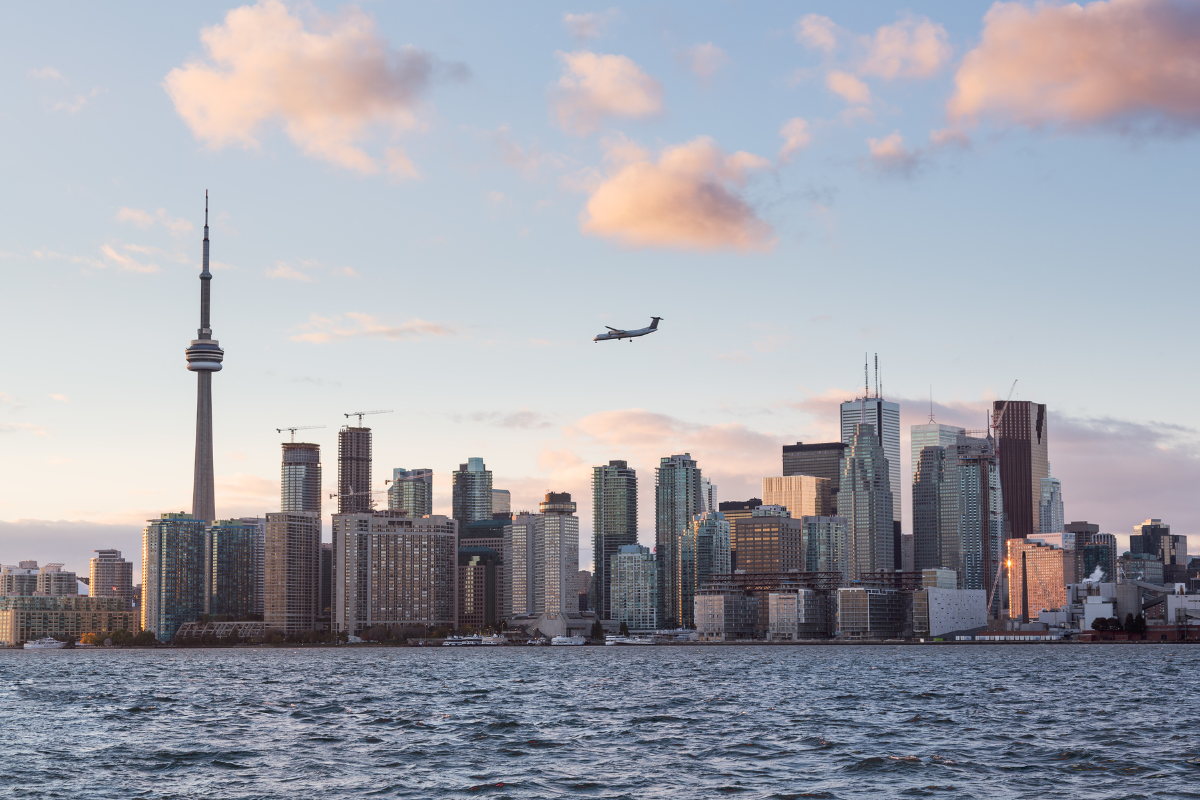
Toronto welcomed a record 28.2 million visitors in 2025. Andrew Weir wants you to think about what happened after they left.
The President and CEO of Destination Toronto is making the case that a visit to this city is rarely just a visit. It can be the start of an investment decision, a talent relocation, a trade relationship.
We spoke with him about what he calls “the long tail of tourism,” and why it belongs on every business leader's radar.

Q: Toronto just posted record visitor numbers. Why should the broader business community care about that beyond the hospitality sector?
Andrew Weir: Because tourism is rarely just about tourism. When a senior executive flies in for a conference, walks through the financial district, and watches how the entrepreneurial and academic sectors interact — that's not just a visit. That's a site inspection. The idea to return, to invest, to trade with Toronto-based businesses, in ways that have all sorts of long-term benefits, often starts with a visit. We call it the long tail of tourism, and it matters enormously.
Q: Can you make that concrete — what does that look like in practice?
AW: Sure. Think about the AI sector. A senior executive visits Toronto for a conference, spends a few days in the city, and sees firsthand how proximate the academic infrastructure is to the downtown core — and how integrated it is with the entrepreneurial sector. They go home and think, ‘I could see locating our AI research team here.’ That decision doesn't show up in hotel occupancy rates. But it started with a visit. That's the knock-on effect we're talking about — and it's why the visitor economy is a business development issue, not just a hospitality one.
Q: The headline number from 2025 looks impressive. Does it tell us what we need to know about the health of Toronto's visitor economy?
AW: I think the framing of that is important. 2025 was the most visitors we've ever had in the city. But I would not describe it as our best year for tourism, because we were overly reliant on the domestic traveller to a greater degree than would have been the case even in 2018 or 2019. That's a result of two principal factors: Canadians being less inclined to travel to the US right now — we saw over a 30% decline in Canadian travel to the US last year — and the fact that most of our international markets have not come close to recovering from COVID. China is still only half of what it was in 2019. It was our number one overseas market. South Korea, Japan, Mexico — all still below pre-pandemic levels. At its best, Toronto has a highly diversified visitor economy. 2025 was not that.
Q: Why does it matter, from a business perspective, where a visitor is coming from?
AW: A visitor who has flown here for twelve hours from Asia or eight hours from Germany is more likely here for the first time. They're going to stay longer, do more, and spend more. But more importantly, they're forming a first impression of this city that will shape every decision they make about Toronto afterward. A domestic traveller coming in for a Raptors game is valuable, but the follow-on behaviour is different. The overseas visitor is the one who goes home and tells their board that Toronto is worth a closer look. That's the visitor we need to be competing harder to attract.
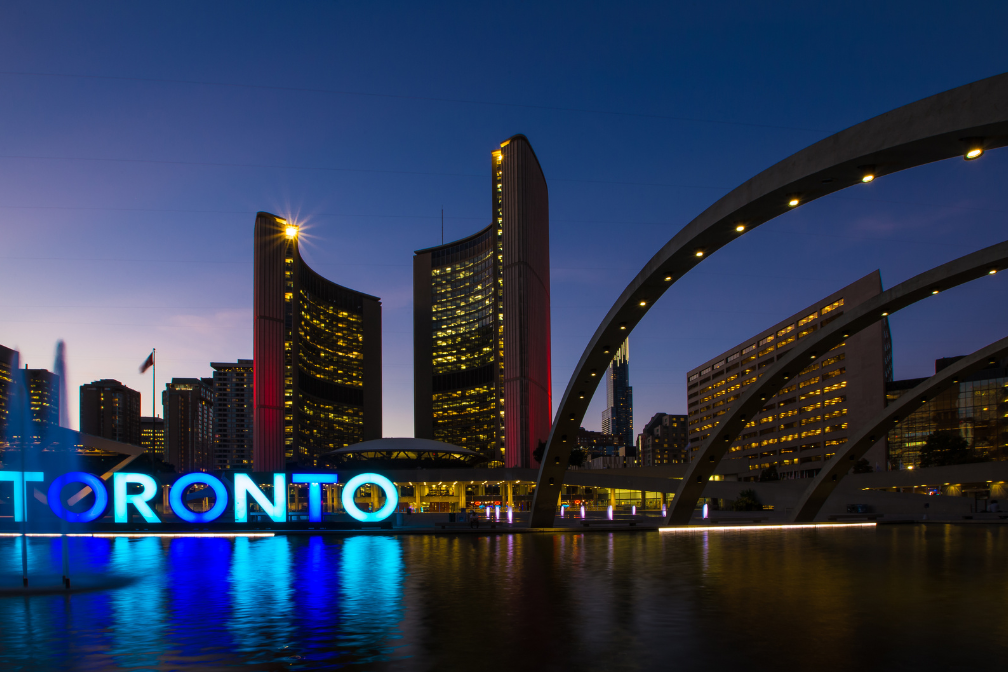
Q: What's the business case for conventions and major meetings specifically?
AW: When a major international association chooses Toronto for its annual congress, it brings thousands of decision-makers into this city — people who wouldn't otherwise be here, who are now experiencing Toronto firsthand. The economic impact is significant: in 2025, major meetings generated nearly $1 billion in direct economic activity. But the catalytic value is harder to measure and arguably more important. Those delegates go home having seen what Toronto is. Some of them come back. Some of them open offices here. Some of them become advocates for doing business with Toronto-based companies. That's what we mean when we say conventions have value beyond the convention itself.
Q: What do you need from Toronto's business community?
AW: Engagement. The Toronto Destination Master Plan was built with more than 400 organizations. It is as much a civic document as a tourism one. The business community has a direct stake in whether Toronto becomes one of the world's elite urban destinations, because the benefits flow far beyond the hotel lobby. We need business leaders at the table, advocating for the infrastructure, the public spaces, and the connections that make this city work for visitors — because those are the same things that make it work for everyone else.