On why the experience between attractions matters as much as the attractions themselves:
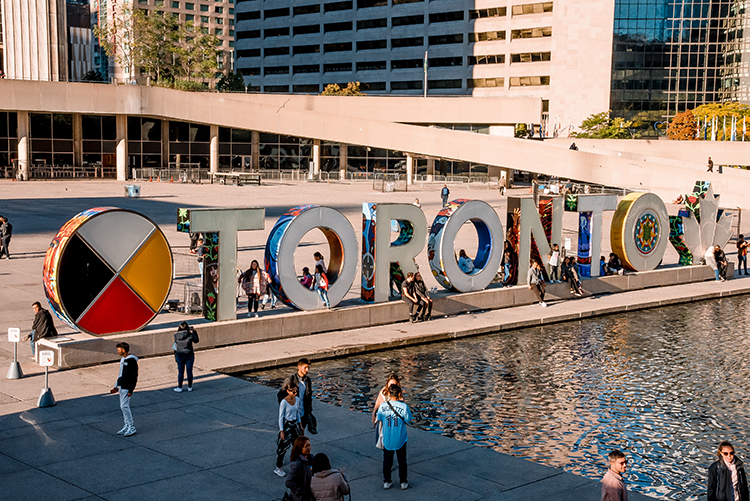
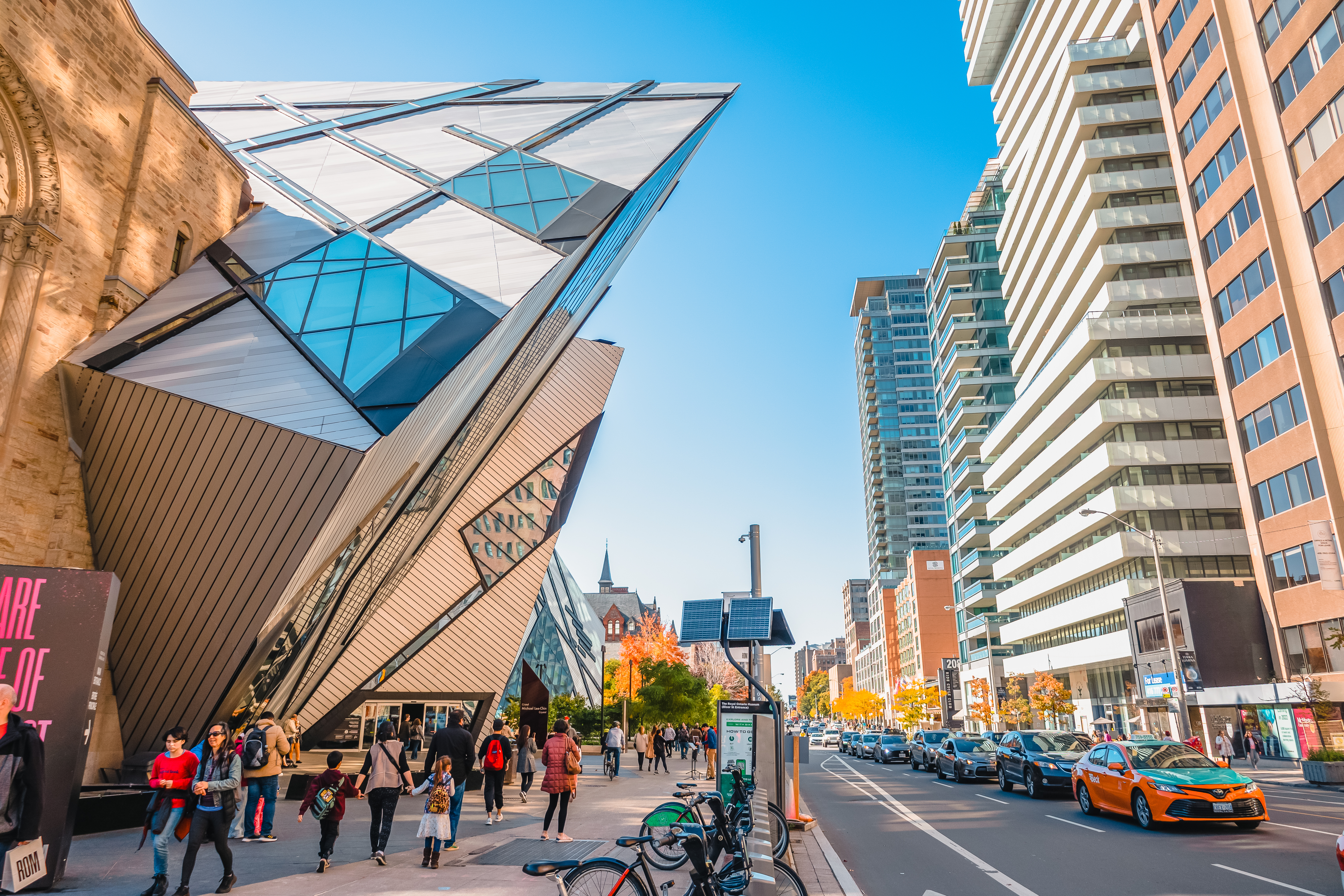
"We don't only want a city where there's an attraction over here, an attraction over there, and you simply move as fast as you can between them. That period in between can be part of the experience too. We really put a significant focus on street-level vibrancy in this plan — facilitating patios, facilitating how public spaces can be used and animated to become more active spaces. That's better for residents, and it's better for visitors as well, because they're very often looking for the same thing."
On Toronto's case for being a four-season destination:
"There are going to be destinations that can outgun us in winter because they're ski destinations or whatever else. But where we can win is by planning and building infrastructure that can work in the winter. We learned during the pandemic how to build winter outdoor dining experiences — patios, bubbles, things like that. How do we build more? How do we extend our experiences to a winter version of patios in the culinary space? But then also we've got to look at the programming side. We need some signature events that take place in the winter that become demand drivers in our low season. It will take more than marketing to change how our winter season is experienced by visitors.”

On why Toronto's stadium and convention infrastructure needs to grow:
"There are some concert tours that may not come to Toronto because we don't have the ability to accommodate them. And not just concerts — even the World Cup from a stadium standpoint has been a challenge, because we just don't have the stadium infrastructure to support it. So it had to be built temporarily. We've been advocating for a new convention centre for more than ten years — while we have a very high-quality convention centre, it's one of the best from an experience standpoint, it's limited in size. As our city has grown and our global impact has grown, our ability to accommodate the most important and largest meetings in the world has not grown. And so it's left us on the sidelines — those meetings are simply going elsewhere, and they should be here — along with the visitor spending and impact on trade, investment and talent attraction that major meetings deliver.”
On the visitor potential of Toronto's neighborhoods beyond downtown:
“You've got the zoo, you've got Guild, there's a number of assets in Scarborough, not to mention the incredible depth of culinary scene throughout the area. But there isn't a level of clustering or geographic density of those experiences that you find on Ossington or Queen West that make higher visitor volumes possible — and there are really no hotels. The same is true in North York. Outstanding culinary, great public spaces, but is the sidewalk experience of a caliber that visitors will find satisfactory? Is it lit at night? We've got to be purposeful about helping the new and next develop — so that in the years ahead we have more visitor-ready neighborhoods to promote.”
On why the current waterfront redevelopment is a once-in-a-generation opportunity:
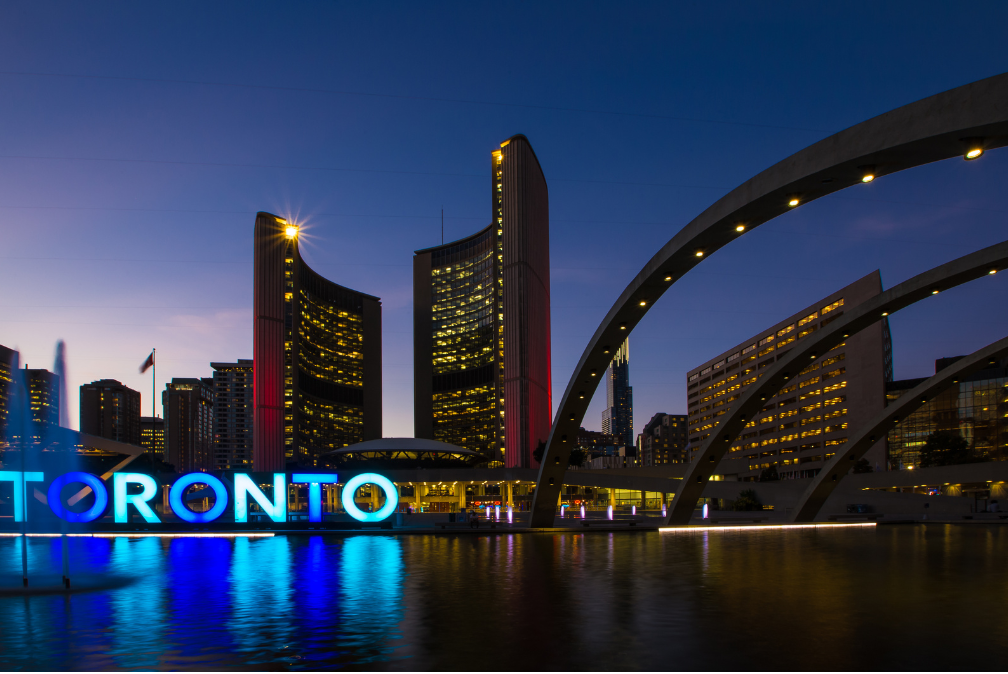
"One of the things that drives tourism is iconic images, iconic architecture and sites — the photo that is unmistakably Toronto. You can't just sit at your desk and will a grand globally iconic building into form. But when an enormous precinct of signature land is being redeveloped, that is exactly the time to be thinking about these things — making sure that we contemplate not only the functionality, but also the iconic nature of these developments. We have that opportunity in front of us right now and we can't lose sight of it. The waterfront is a tremendous opportunity to create something that becomes one of the postcards of Toronto — that will benefit residents and visitors for generations."