The Canadian economy is facing a productivity gap. As we stare down the barrel of flu season, one way employers can help to bridge that gap is by supporting a healthy workforce.
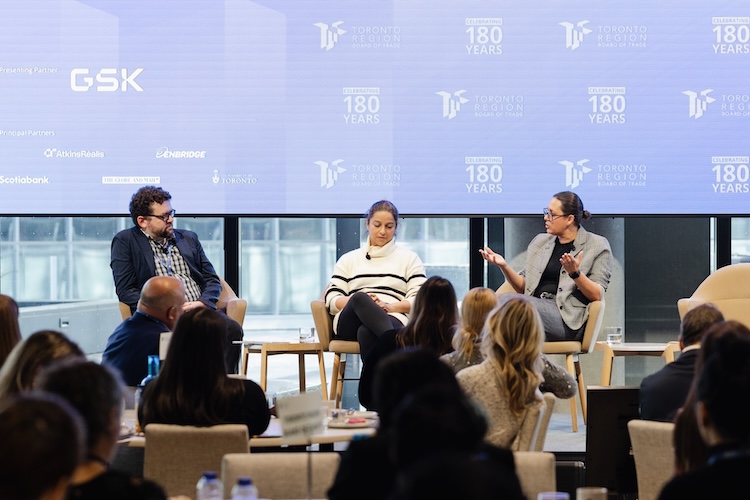
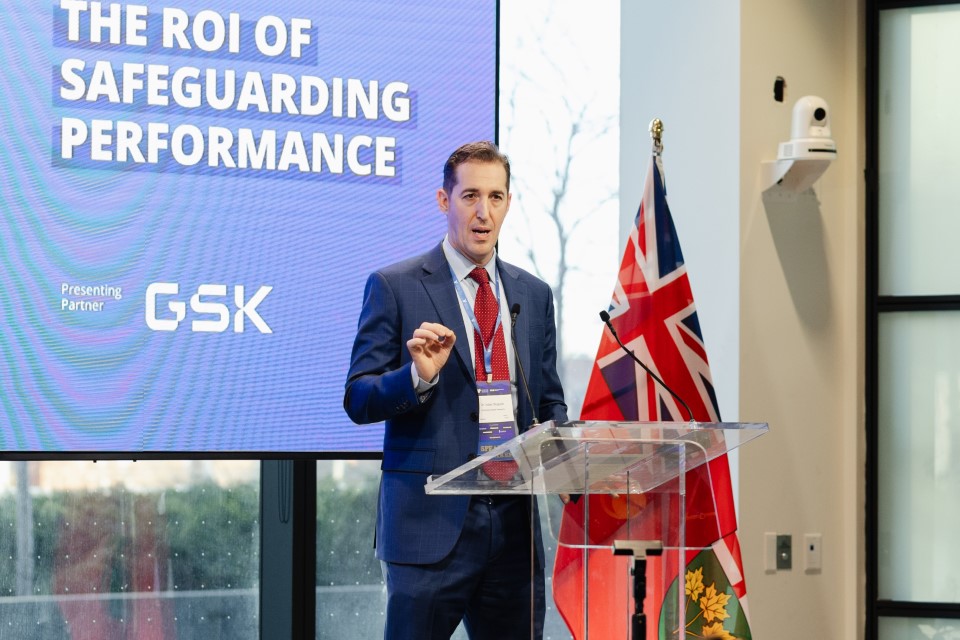
At “The ROI of Safeguarding Performance,” business leaders, public policy experts and leaders in health and life sciences examined how employers can gain a competitive advantage by prioritizing employee health and wellbeing.
Whether it’s the seasonal flu, COVID-19, RSV, shingles, or other preventable illnesses, immunization is more than just a healthy choice—it can also save businesses time and money, improve employee retention and reduce lost work hours.
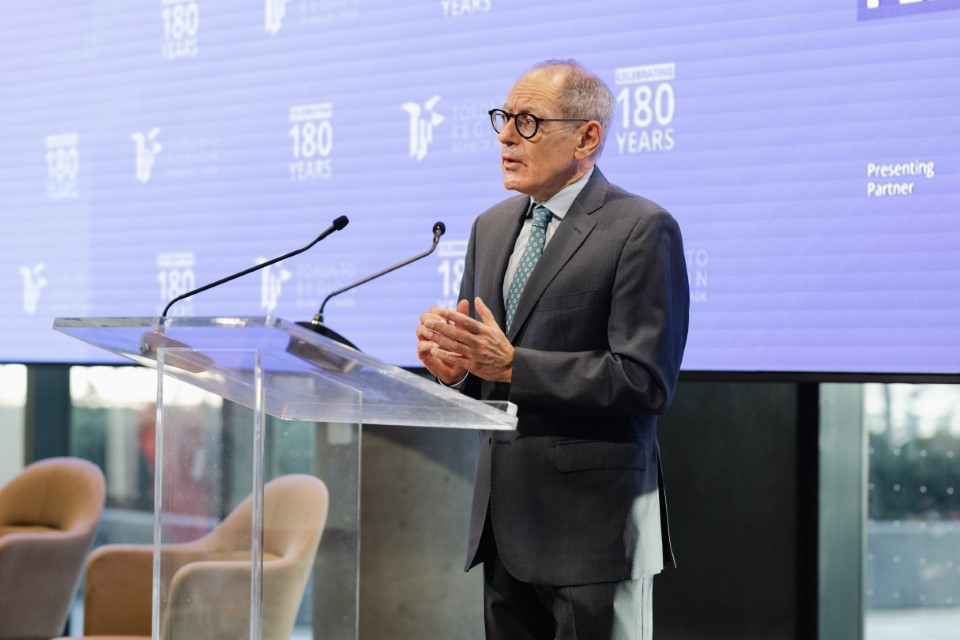
As Toronto Region Board of Trade’s President and CEO Giles Gherson reminded attendees:“Immunization is an insurance policy, at minimal cost, to prevent high-cost conditions. Diseases like shingles are more common than people think.”
Employee Health is Business Health:
- According to a World Economic Forum study, preventable health conditions drain $1 trillion from G20 economies every year. Businesses can protect themselves against avoidable losses by encouraging their employees to prioritize their health and well-being. Robust wellness programs can cut employee absences and improve team morale.
Greater Vaccine Accessibility Leads to Higher Vaccination Rates:
- Expanding the scope of pharmacists to administer routine vaccinations has made those vaccinations more accessible, which has been shown to help more people to protect themselves and their families. Pop-up immunization programs encourage vaccine uptake to reduce lost work hours. In Canada alone the seasonal flu results in a loss of 12 million hours annually.
Employee Healthcare is a Team Sport:
- Employers who work with insurance providers, government agencies, and patient advocacy organizations consistently see that employee well-beingleads to improved productivity and dollars saved in health care costs and human resources costs.

$2.5 billion
Every year, seasonal flu costs Canada $2.5 billion and makes people miss approximately 12 million hours of work, demonstrating how even common illnesses have negative impacts on businesses and the economy.
$300 billion
Conference Board of Canada data reveals that the COVID-19 vaccination helped save an estimated $300 billion by preventing serious illness and keeping Canadians working.
$120 billion
Cleveland Clinic Canada research concludes chronic and preventable diseases cost Canadian businesses about $120 billion a year—roughly 5% of Canada’s entire economy.
130,000
Around 130,000 working Canadians over age 50 are expected to get shingles this year, often forcing them to take time off work.
“There's about 8000 reasons to have good clean air in indoor settings. Of those 8000 reasons, one is that it will reduce the risk of transmission of infections that are transmitted through the air. Is it perfect? Of course not. But each step is a layer of protection to keep you, your families and your employees healthy and safe.”
Dr. Isaac Bogoch, Infectious Diseases Specialist, University Health Network
“That 50 plus age cohort is a large part of our workforce. How do we ensure that older Canadians are able to contribute to society? It's not just about cost savings from our healthcare system. Frankly, the biggest benefit comes from the fact that people are able to stay at work.”
Michael Burt, Vice President, Conference Board of Canada

“Organizations with a culture of health enjoy superior stock performance. They win the war for talent, and they keep employees engaged, productive, and on the job. The research is compelling. A group of companies with a culture of health and well-being outperformed the S&P 500 by 2% every year.”
Michael Kessel, President and CEO, Cleveland Clinic Canada
“It's so important to be able to partner with pharmacy schools and medical schools… to help those students understand the value of vaccination, how to counsel their patients, how to be able to help them with vaccine hesitancy or needle phobia, and working with government agencies like NACI to really help them have the most up-to-date information in real time so they can make the best decisions for patients.”
Dr. Michelle Horn, Country Medical Director, GSK Canada
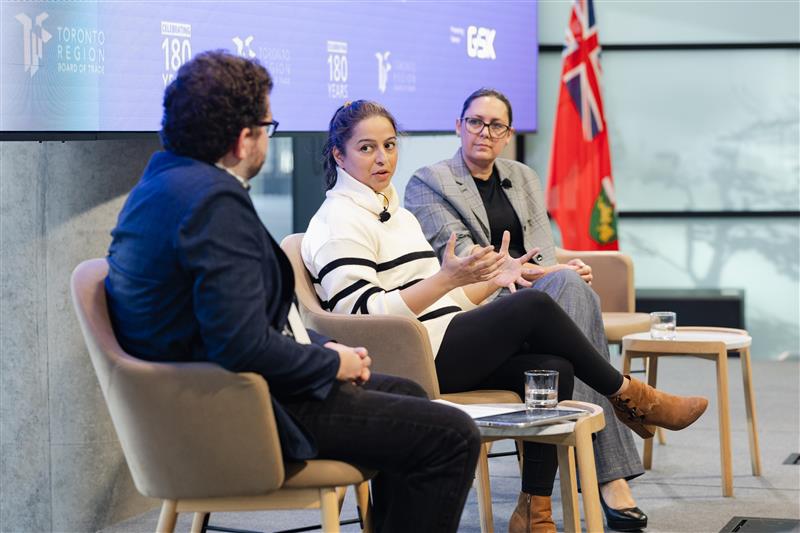
“I am the sandwich generation. I have parents I take care of who are 60 plus, 70 plus, but I also have a newborn that I'm taking care of at home as well. People are recognizing that getting immunized as adults actually has an impact on their day-to-day life, whether it be that you can now go home and take care of your parents, or how you'd be able to take care of your child at home or your infant.”
Pavithra Ravinatarajan, Head of Pharmacy Strategy and Pharmaceutical Relationships, Manulife