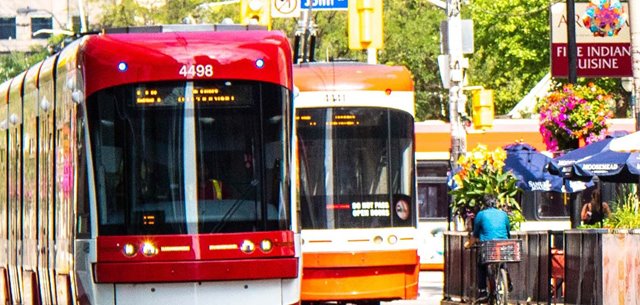
Moving around the Toronto region should be seamless. Whether commuting to work, heading to school, or travelling to see a Jays or Tempo game, riders want transit to be simple, reliable, and affordable.
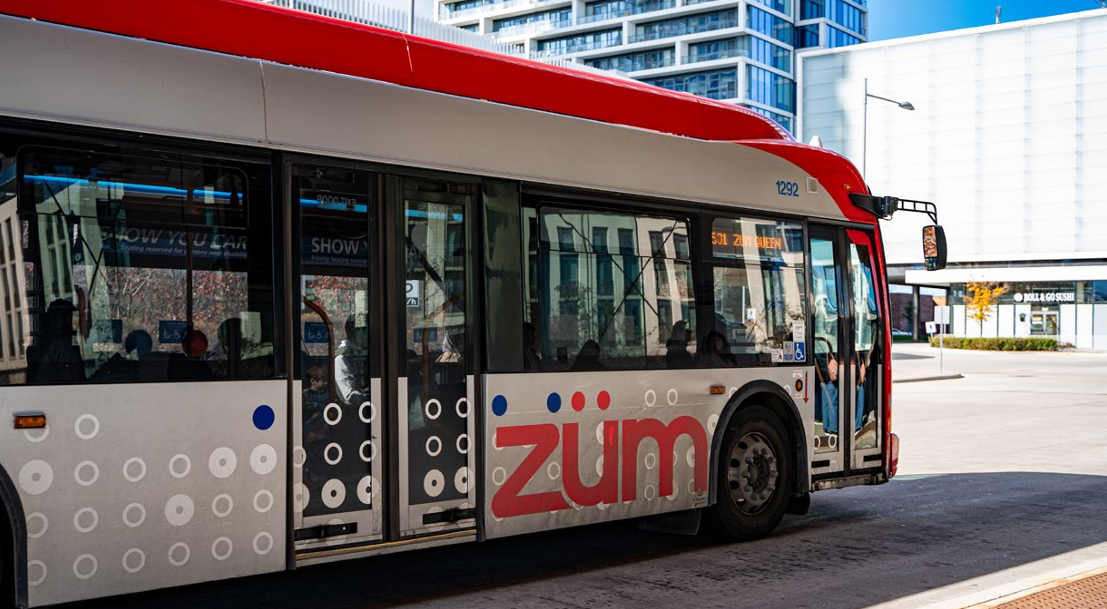
The Board has long argued that transit riders should be able to move across the region without being constrained by municipal or agency boundaries. Riders often face different fares, disconnected services, and unnecessary complexity when travelling between municipalities, even when the most efficient route crosses multiple transit systems.
That is why the passage of Bill 98, the Building Homes and Improving Transportation Infrastructure Act, 2026 represents an important step forward.
The legislation gives Ontario the authority to establish regional fare and service integration, designate priority transit routes and set service standards to support a more coordinated and efficient transit network. This means we could be on the brink of making a truly integrated regional transit system a reality.
The benefits of integration are becoming clear. Since its launch in 2024, Ontario's One Fare program has enabled 62 million free transfers, making it easier and more affordable to travel throughout the region.
Bill 98 provides an opportunity to build on that success.
To further help transit riders, the Toronto region needs a simple, easy-to-understand zone-based fare structure, as recommended in the Board’s Faster Commutes report. Under this approach, travel within Toronto would continue to be supported by the TTC's existing flat fare. Regional trips, however, would operate within a single integrated fare framework that allows riders to move seamlessly between GO Transit and local transit services without financial penalties for crossing municipal boundaries.
The benefits extend beyond customer convenience.

The Province should continue the principles established through the One Fare program and ensure that municipal transit agencies are fully compensated for fare revenue impacts resulting from regional integration. Similarly, transit operators and municipalities must be meaningfully engaged in implementation. Local agencies bring critical expertise regarding customer needs, service patterns, operational realities, and network planning. Their partnership will be essential as the Province determines next steps on future integration measures such as priority routes and service standards; otherwise, the regional benefits may not be fully realized.
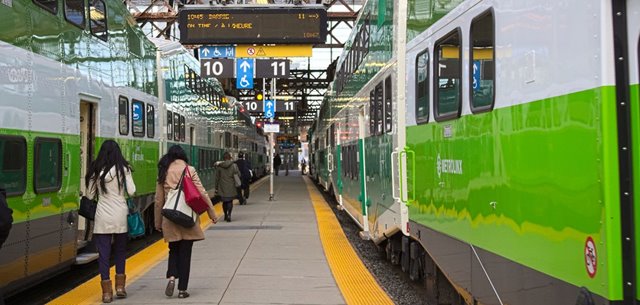
The Toronto Region is expected to grow to approximately 9.4 million residents by 2051. Accommodating that growth, means we cannot wait to take a regional approach to transit and transportation integration.
By setting the enabling foundations for integration, Bill 98 demonstrates that action can be taken today to ensure that a better-connected transit network supports economic growth, improves productivity, strengthens regional competitiveness, and enhances quality of life for residents across the Toronto region.