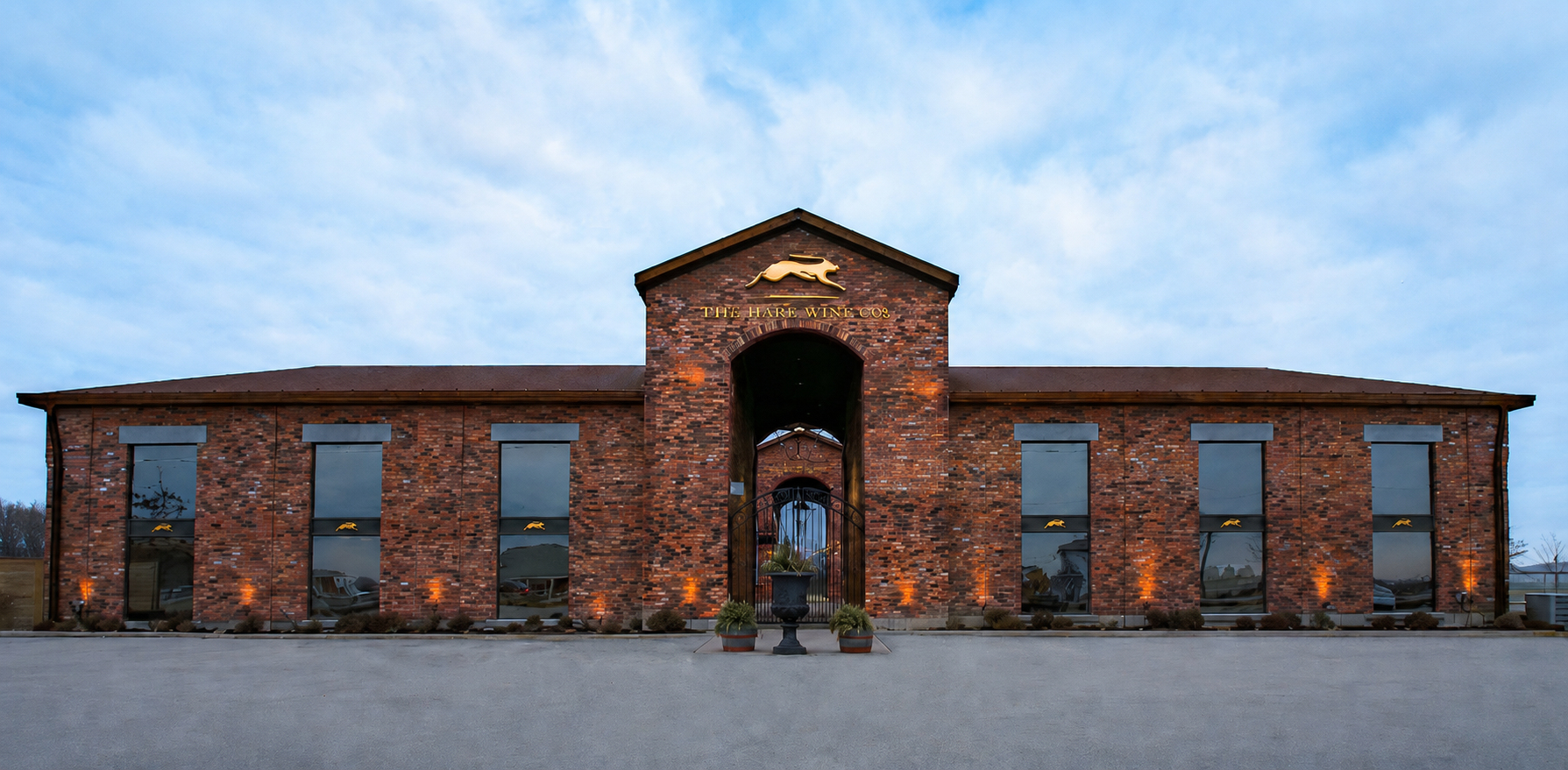
If you're a wine club member at The Hare Wine Company, John Hare is ready for you before you even walk in the door. He knows what you drink, how often you visit, and whether to bring their bold Cabernet Merlot or crisp, dry Pinot Grigio.
He also has all that information at his fingertips.
It took a six-month program through the World Trade Centre Toronto to make it possible.
Hare did not plan to become a winery owner. After spending his career at Deloitte, he came home to Niagara. He planned on using his business experience to consult, but an unexpected door opened: Hare was asked to write a business plan for a winery, but the would-be winery owner got cold feet, so he took the plan for himself.
"I said to a friend — we should do this," Hare says. "And here we are. Ten years later."
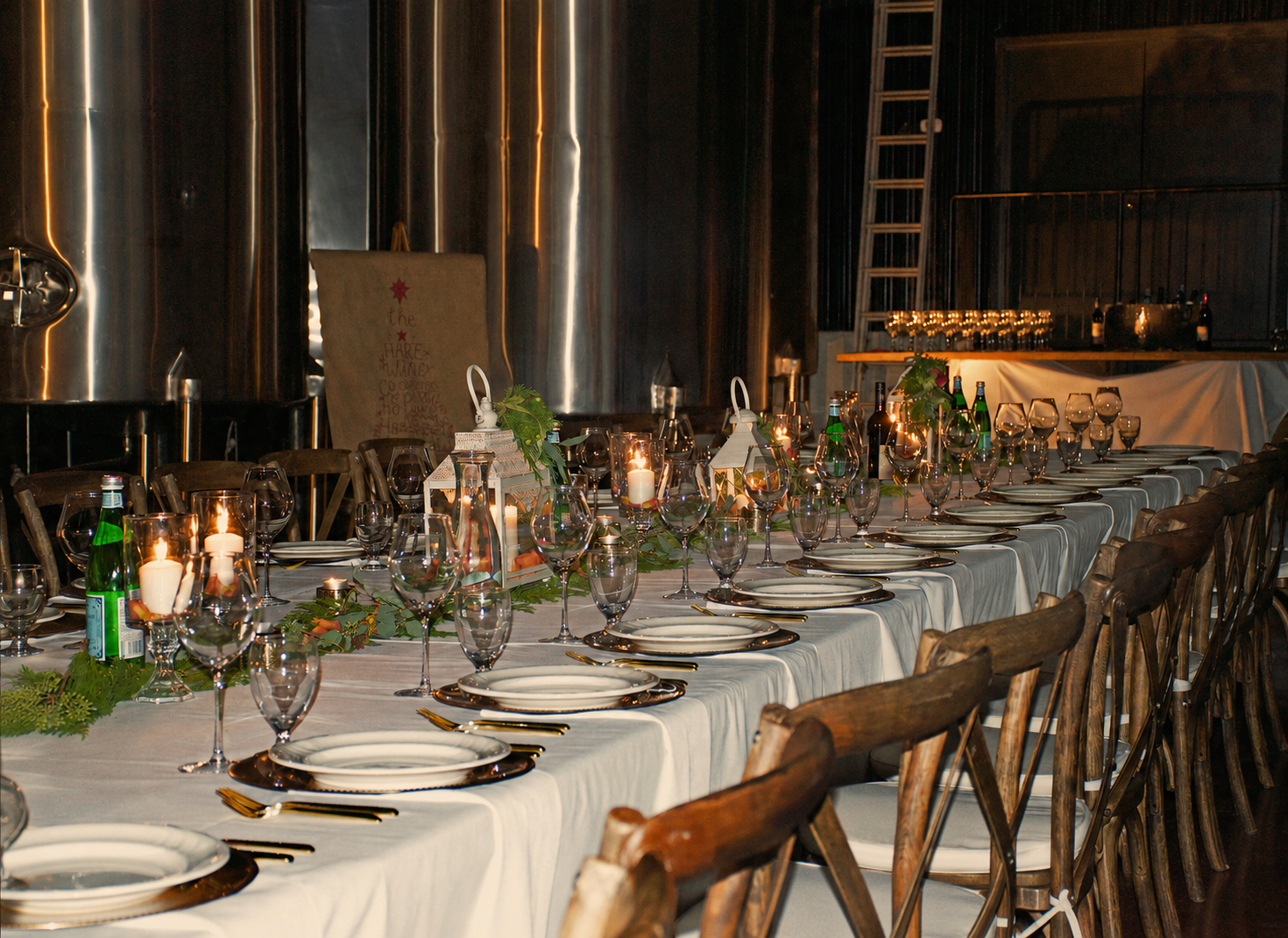
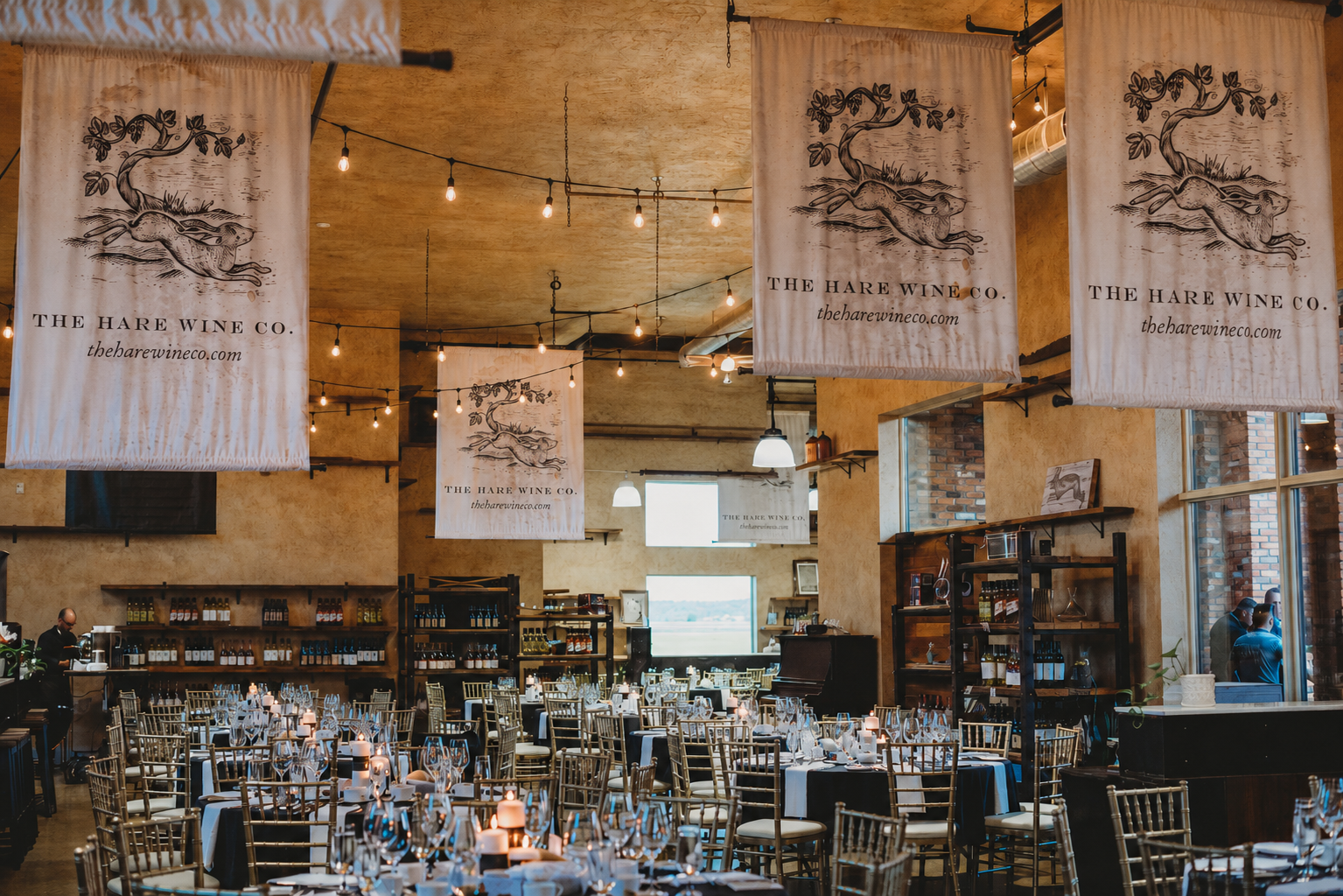
The Hare Wine Company produces about 4,000 cases a year, selling through its retail tasting room, high-end restaurants, and occasionally the LCBO. The property hosts weddings and private events, and a wine club that counts nearly 200 members.
To help grow his business, Hare started experimenting with AI a few years ago — tinkering with reporting tools, looking for shortcuts. He could see the potential, but he couldn't see where to take it.
"I was dabbling," he says. "I needed to understand what was actually possible."
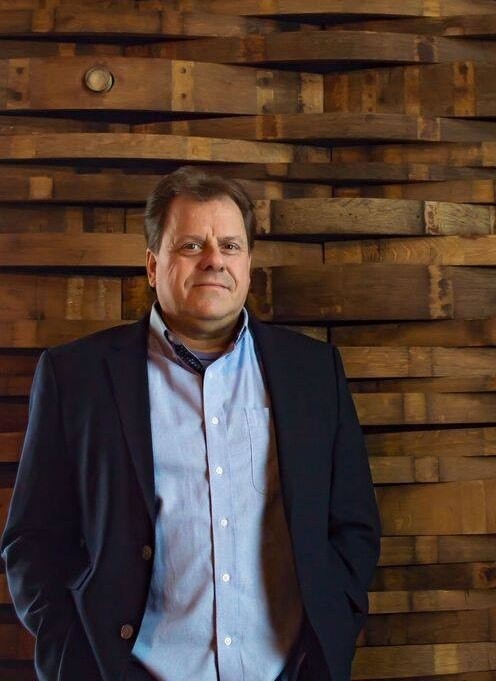
That's when the Growth Development Program came across his radar. Offered through the World Trade Centre Toronto, the six-month cohort-based program runs three full-day in-person sessions and six virtual peer-to-peer calls — designed for exactly the kind of operator Hare was: experienced, ambitious, and stuck between knowing AI could help and knowing how to make it work in practice.
"I figured they would be able to help me better understand what was possible," he says. "And I loved the fact that they were talking about an AI roadmap. That was key for me."
His experience at Deloitte gave him a head start on solving his problems. He mapped his business against two axes: frequency and complexity. He first wanted to use AI to tackle the bottom right corner — high frequency, low complexity. The tasks that happen every day and don't require much judgment.
But knowing where to start and knowing how to build it were two different things. That's where GDP delivered. Working alongside Rotman School of Management MBA students, Hare began prototyping real solutions against real problems — not hypotheticals.
This practical application quickly showed Hare how to solve some of his biggest pain points.
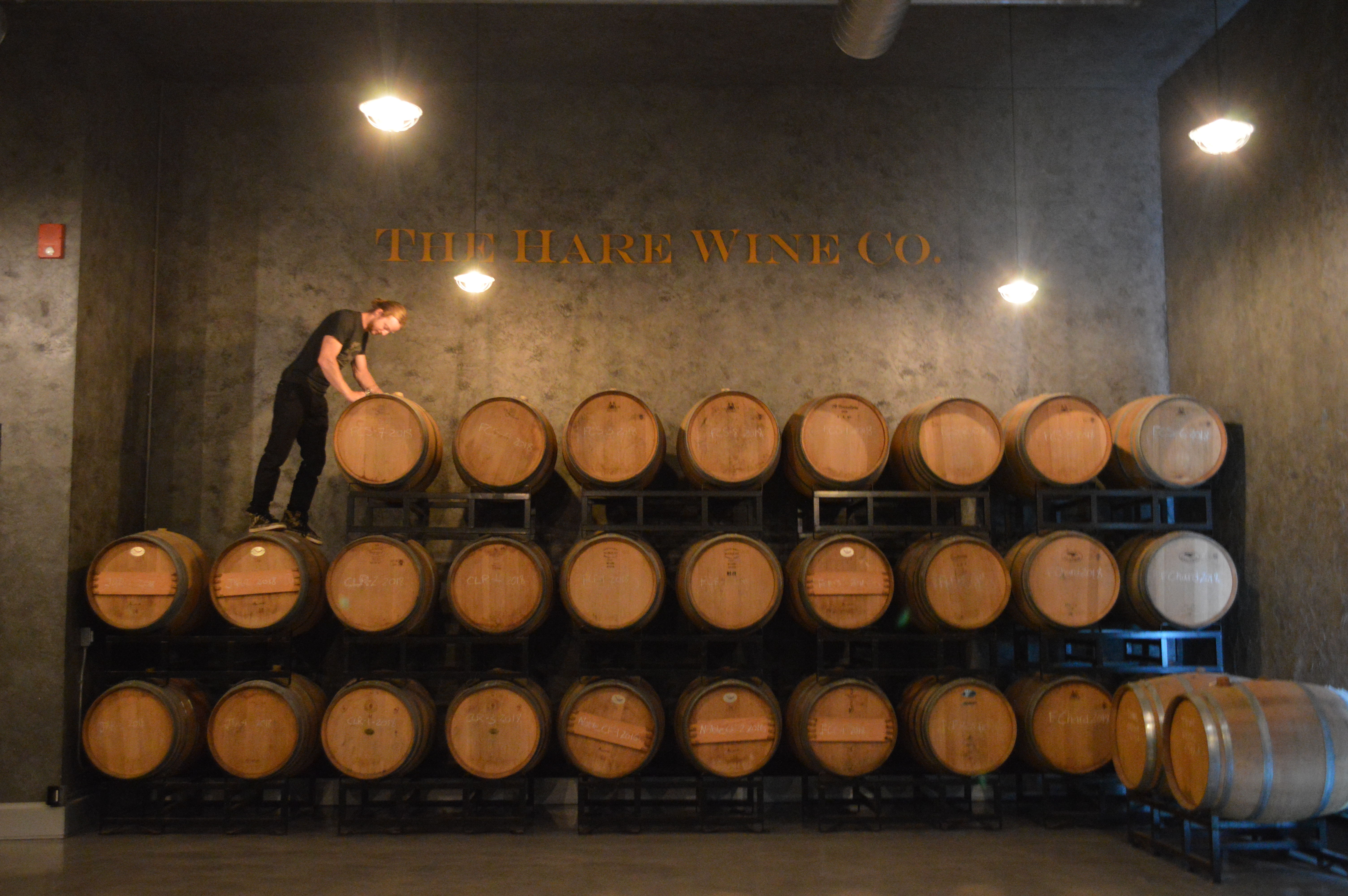
Alcohol is one of the most regulated industries in Canada. Every month, Hare reports to the provincial government on every litre of wine that passes through his operation — from grape to bottle — and the numbers need to be exact.
For years, Hare managed all of it manually. Fifteen thousand rows of data. Spreadsheets so large they would sometimes crash his computer. Hare says he would spend upwards of three days a month preparing the data to send to regulators.
"I knew there had to be a better way," he says.
Working with his team and applying what he learned through GDP, Hare built a real-time financial and operational reporting tool that pulled data directly from his point-of-sale system. The Ministry of Finance reporting can now be done in minutes.
"It used to be macros in Excel," Hare says. "Now it's AI workflows and agents doing all this stuff for me. And it always does it amazingly."
For an owner-operator already stretched across every corner of the business, those reclaimed hours don't go into his pocket — they go back into the winery.
"My ROI is freeing up my time," Hare says. "Buying back my time. That's the key thing — so I can focus on the business, not doing the work that AI can do for me."
Every season, The Hare Wine Company brings in new front-of-house staff — students who work the summer, go back to school, and take their knowledge with them when they leave.
On top of that, customers come with questions: Do you ship to the U.S.? What's the driest wine? How does the wine club work? Every time a new hire didn't know the answer, a supervisor had to leave the floor to find one.
The solution was at their fingertips.
Every front-of-house server already carried an iPad as their point-of-sale tool. Hare and his team built the Knowledge Hub — an AI-powered assistant living directly on the same device. Populated with institutional knowledge, the Hub holds everything a front-of-house employee needs to know — wine profiles, shipping policies, food pairings, wine club details, standard operating procedures — and makes it retrievable in seconds through a simple voice query.
| What Changed | Before | After |
| Monthly regulatory reporting | ~3 days | Minutes |
| New hire time to independent work | 4 shifts | 2 shifts |
| Wine club membership growth | Baseline | +40% |
| Data managed in spreadsheets | 15,000 rows, manual | Automated, real-time |
Today, when a guest asks about residual sugar levels, barrel aging, or how the wine club works, a server doesn't go find a supervisor or flip through a binder. They tap the mic on their iPad and ask out loud. The app answers — instantly, accurately, without interrupting anyone.
It used to take about four shifts before a new hire was ready to work independently. Thanks to their AI-enabled onboarding system, that's been cut in half.
Hare estimates wine club membership has grown by more than 40 percent since the system went live. If the improved systems help him hit his aggressive target, it could mean a sales increase of between 5 and 18 percent.
"AI was not the revenue strategy," Hare says. "AI was the operating system to help us capture the revenue."
The bottom right corner of Hare’s matrix is largely handled. Now he is moving up the quadrant — into tasks that require judgment, not just execution.
On Saturdays, the phone rings off the hook and nobody can get to it. Hare is building an AI voice system to handle inbound FAQs and push real-time notifications to the host team so nothing slips. Next comes marketing automation — not email blasts, but personalized outreach built on actual purchase behaviour. If you've visited five times and only ever bought red, you're not getting a Vidal promotion.
Hare doesn't frame what he's built as a technology story. He frames it as a business story — one that started with too many hours lost to pivot tables and ended with a winery that runs smarter in every direction.
But GDP, he's quick to add, was more than a curriculum. Operators from manufacturing, engineering, professional services — all working through the same questions. Facilitators bringing in outside experts across industries, not just the obvious ones.
He expected a roadmap. What he didn't expect was the network.
"It's not just the course," he says. "It's all the people they bring in. These people show you what's possible — and once you see it, you can't unsee it."
For anyone still weighing whether the investment is worth it, Hare doesn't hesitate.
"What's the ROI of doing nothing?" he says. "Disastrous."
The Hare Wine Company participated in Cohort 1 of the Growth Development Program, offered through the World Trade Centre Toronto in partnership with the Toronto Region Board of Trade. The next cohort begins in September. To learn more or register, visit bot.com/Programs-Networks/Growth-Development-Program.

From Gut Feel to Algorithm: How One Manufacturer Used AI to Rethink How Work Gets Done
How J/E Bearing & Machine used the Growth Development Program at World Trade Centre Toronto to achieve a 37% improvement in on-time delivery through AI.

Growth Development Program (GDP)
The Growth Development Program (GDP) is a 6-month, cohort-based program designed for C-suite executives from small and medium-sized businesses.