The choices Torontonians make in the municipal election will shape how our city grows over the next few years. Over the coming weeks, the Board will be publishing our issue guides to help voters understand what is at stake. Each guide will explain the problem, why it matters and the actions the next mayor and council should consider.
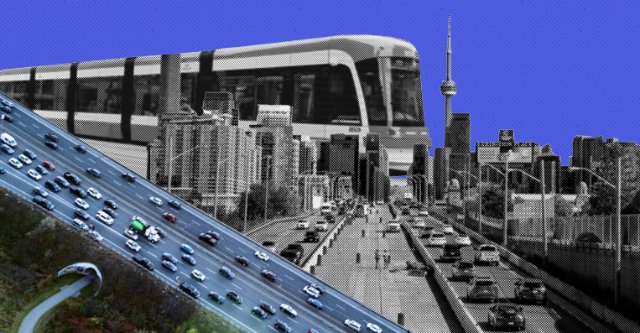
Getting around Toronto is becoming harder than it should be. Whether you're driving to work, taking transit, getting your kids to after school activities, or moving goods across the region, sitting in traffic eats into your valuable time.
Fixing congestion, ultimately, means giving people more ways to get where they need to go. We need our next mayor and council to prioritize enabling a transportation system that is connected, reliable, and affordable.
Congestion costs the GTHA economy $44.7B annually, including $10B in lost productivity, $2B in unrealized investment, and 88,000 jobs lost. Without action, these costs are projected to rise to $85.5B per year by 2044.
Toronto doesn't stop at its borders - millions of people travel across the region every day for work, school, and housing. Better connections across the region can help people spend less time stuck in traffic and more time living their lives. When transit service is slow or unreliable, everyone feels the impact. Commutes get longer, daily routines become more stressful, and getting across the city becomes harder.
A better transit system means a better quality of life: shorter travel times, more reliable service, greater access to jobs and housing, and more time for the people and activities that matter most.
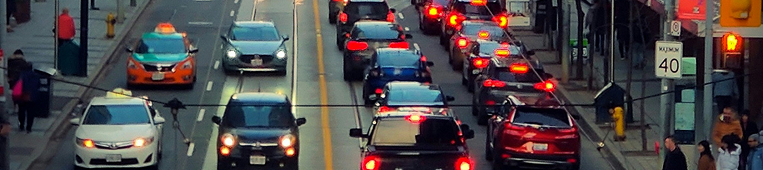
Investing in our infrastructure
As Canada’s largest city and a major hub for business, Toronto relies on well-maintained roads, public transit systems, water systems, and public facilities to support its growing population and economy. Well timed and coordinated investment helps reduce congestion, improve mobility, attract businesses, create jobs, and ensure residents have access to reliable services.
Toronto's challenge is more than simply identifying infrastructure needs—it’s determining how to prioritize limited resources.
Toronto's future depends on the infrastructure we build today. But while the city has identified billions of dollars in needed projects, more than half of its 10-year capital plan remains unfunded, and there is no clear roadmap for which projects should come first.
Without clear priorities, residents face the consequences: aging infrastructure, longer delays, rising costs, and missed opportunities for growth.
To get the most value from every dollar invested, the city needs to focus on the projects that will have the biggest impact, coordinate construction to reduce disruption, and deliver projects on time and on budget. When infrastructure projects are completed efficiently, residents spend less time dealing with road closures and delays, businesses can operate more effectively, and Toronto is better positioned for future growth.
Infrastructure
The City of Toronto has $205.9 billion in infrastructure assets, including:
$6.8 billion
for parks and other land
$16.3 billion
for buildings, facilities and fleet
$20.5 billion
for Toronto Community Housing
$26.4 billion
for transportation infrastructure
$40.8 billion
for the Toronto Transit Commission
$95.2 billion
for water and wastewater
The City of Toronto’s 10-year capital budget and plan totals $63.1 billion, which includes:
$17.3 billion
in transit needs
$8.8 billion
in housing-related requirements
$1.1 billion
in shelter capital pressures
Here’s What's at Stake
Over the next four years, Toronto has a chance to become the best place in Canada to invest, grow a business, and build a great quality of life. To get there, we need to tackle traffic congestion, improve transit, and invest in the infrastructure our growing city depends on.