Peter Gilgan has built more than 150,000 homes since founding Mattamy Homes in 1978. Mattamy is now the largest family-owned homebuilder in North America, with operations across Canada and the United States, helping more than 8,000 families into new homes every year.
Now he wants to fundamentally change how those homes are built.
For most of his career, homebuilding has been a construction business. Gilgan thinks it's becoming a manufacturing one.
"That's the most exciting change happening in our industry right now," he says. "Modular construction, automation, robotics, and AI are letting us build homes more efficiently, with more consistency and better quality than ever before."
That change is taking place right here in the Toronto region.

Peter Gilgan, Founder and CEO of Mattamy Homes
More than a century ago, the assembly line changed manufacturing by making production faster and more predictable. Gilgan wants to see that same innovation brought to homebuilding.
He's doing it through a strategic partnership between Mattamy Homes and Stelumar Advanced Manufacturing Inc. (SAMI), a company Gilgan announced in 2025; Mattamy Homes will be its first customer.
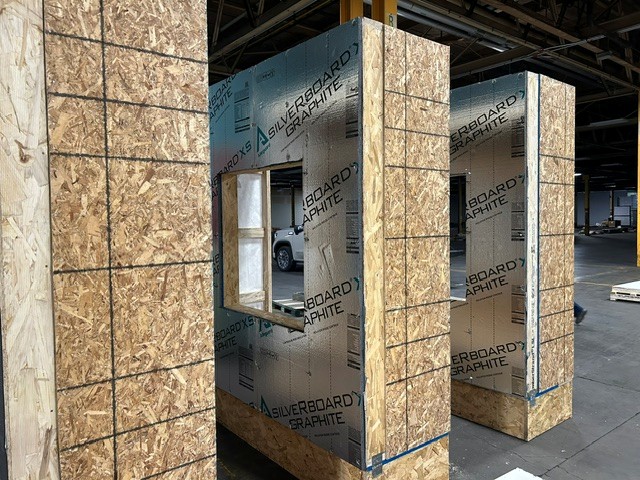
Inside SAMI's Mississauga facility, workers and robots produce the building blocks of a home, including modules, wall panels, floor systems, cabinetry, and millwork. Instead of being built piece by piece outdoors, much of the house arrives at the job site ready to assemble. The company aims to eventually supply components for about 10,000 homes annually.
"When you build in a factory, you get better quality control, less waste, and more predictable timelines," Gilgan says. "It also helps with the labour constraints the whole industry is facing."
Speed is the point.
"We like to say speed is supply. The faster we can responsibly move a project through planning, approvals, and construction, the faster those homes reach the people who need them."
Efficiency matters just as much. Every delay, every wasted material, and every underused parcel of land adds to the cost of a home. Mattamy and SAMI tackle that through a framework they call WASTE, which challenges the industry to work smarter, cut inefficiencies, and modernize how homes are planned, approved, and delivered.
Each letter stands for a principle. Work smarter. Apathy strangles economic growth. Streamline every process. Taxation modernization equals growth. Efficiency using best practices.
Gilgan jokes that it's a goofy acronym, but the thinking behind it is serious.
"There's no silver bullet, just a series of small things," he says.
"Waste is everywhere in housing. Time, materials, labour, land, opportunity. Whether it's a lengthy approval, an inefficient construction process, or a design that doesn't reflect how people live, every inefficiency ends up hurting affordability and the homeowner experience."
"The technology coming into our industry gives us a chance to tackle it in a more coordinated way."
SAMI's advanced manufacturing operations are based in Mississauga, and Gilgan says the location was no accident.
"The Toronto region has everything you need to lead in housing innovation. The talent, the research institutions, the manufacturing capabilities, and a housing market that's demanding new solutions. That's why we put SAMI here."
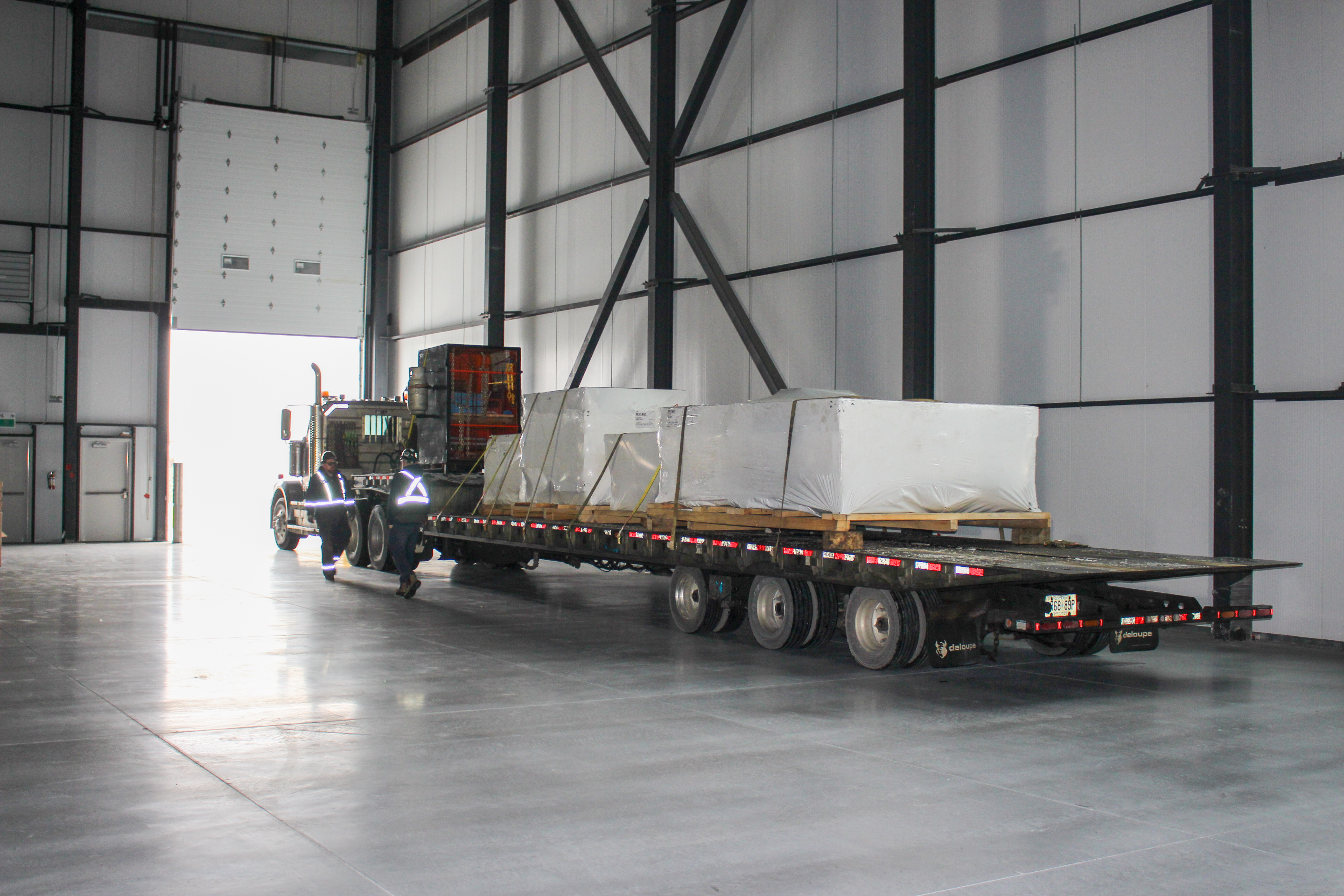
A factory is only as fast as its slowest step. In housing, that step often comes before construction even begins. Development charges, permitting timelines, infrastructure, land use planning, and regulation all shape how quickly and affordably homes get built.
"Technology alone won't solve Canada's housing crisis," Gilgan says. "Modern construction methods are a big part of the answer, but so is how we approve, tax, and plan for housing."
He points to the HST rebate on new homes, which has given sales a boost.
"That rebate showed what good policy can do. Now we need long-term policies that permanently reduce or remove that tax burden from new homes."
Mattamy is also working to speed up the system itself. The company has partnered with Creative Destruction Lab on an initiative that brings together builders, municipalities, governments, academics, and technology leaders to find practical AI solutions across the housing value chain, from zoning analysis and permitting reviews to construction optimization.
"The private sector is embracing AI and automation. There's no reason governments can't do the same to speed up approvals and get more housing built."
The manufacturing analogy only goes so far. Mattamy is also borrowing from the consumer products playbook.
"We don't just want to build faster," Gilgan says. "We want to build homes people actually want to live in, raise their families in, and be proud of for years."
Starting last year, Mattamy ran more than 80 focus groups with roughly 700 participants, along with six large-scale consumer surveys that reached more than 5,000 people. That research is shaping a new line of products launching next year, with larger gathering spaces and more functional layouts, all while making efficient use of land.
It also confirmed a harder truth about the market.
"People still want to own a home. Affordability has put it out of reach for a lot of otherwise ready buyers, but the aspiration hasn't gone anywhere. They want an attainable path to ownership, not a step down in quality or community."
That's where both halves of Mattamy's strategy meet. Building faster and smarter helps bring costs down. Designing around what buyers want makes sure those homes are worth buying.
It's also why Gilgan's advice for anyone innovating in housing starts with the buyer, not the technology.
"Start with the end user in mind. Innovation works when it solves real problems for real people. The future of housing belongs to whoever can build more efficiently without losing sight of the people who'll call those houses home."