
Toronto, along with the rest of Canada, is once again navigating a period of heightened economic danger and rapid change.
An escalating trade dispute with the United States is putting pressure on deeply integrated supply chains, raising costs and creating uncertainty for businesses and investors. U.S. tariffs on autos, steel and aluminum, along with new measures, including bans, affecting a wider range of Canadian products, are placing added strain on businesses central to Ontario and the Toronto region.
At the same time, longstanding productivity challenges are becoming more urgent. Housing affordability, congestion, infrastructure needs and the cost of doing business continue to weigh on Toronto’s competitiveness.
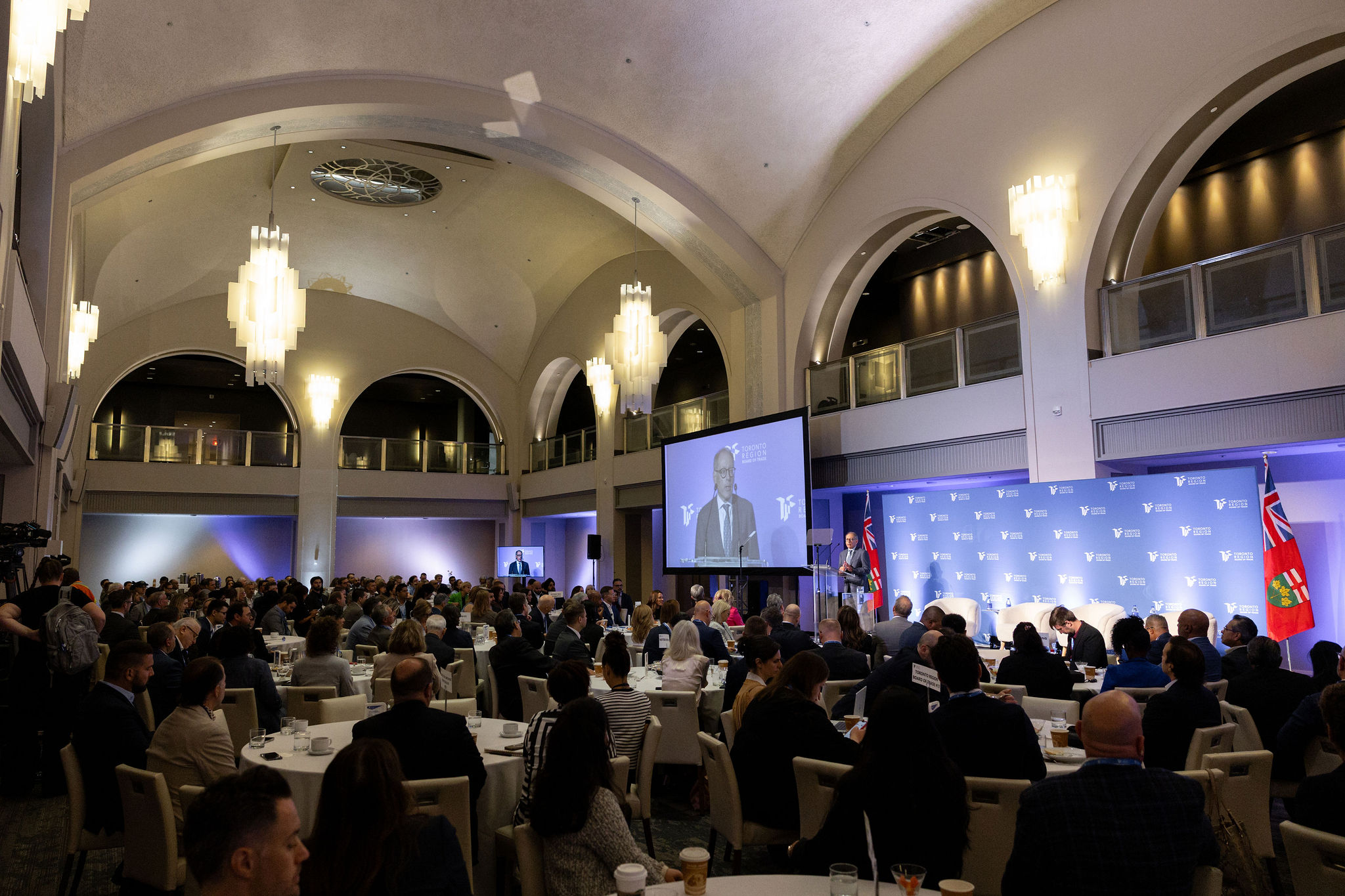
It was against this backdrop that the Board convened its annual Policy Priorities Setting Session, bringing together Policy Committee Members, business leaders and policymakers, including Premier Doug Ford.
Our President and CEO Giles Gherson describes the economic shock as a true policy moment. He argued the Board’s mission to improve the region’s productivity and competitiveness has become even more urgent:
“Threats, tariffs and turbulence don’t change that mission. They make it more urgent. We need to turbocharge our response.”
The response to economic shock must be a growth strategy
U.S. tariffs on autos, steel and aluminum, along with new measures affecting other Canadian products, are hitting sectors central to Ontario and the Toronto region.
Businesses need tools to reach new markets, adapt their products, adopt technology, innovate more aggressively and become lower-cost suppliers. The response will require governments and business to work together on an all-hands-on-deck strategy focused on productivity, competitiveness and economic growth.
Speed, certainty and competitive costs will determine where investment lands
Canada cannot control decisions made in Washington, but it can improve the conditions for businesses to invest, build and grow at home.
To attract investment, our economy needs a competitive tax environment, a modernized and streamlined regulatory system, faster permits and approvals, lower business costs, and infrastructure that moves people and goods efficiently.
Ontario companies can compete globally while remaining rooted here, but their success depends on a strong talent and innovation ecosystem. Postsecondary institutions play an important role in developing the skilled workers, research and technology businesses need, while continuous reskilling and upskilling will be essential as industries evolve.
Canada’s domestic market is an underused source of resilience
Canada’s overreliance on the U.S. market has become a serious economic vulnerability. Building resilience will require stronger relationships with reliable international partners and a more unified economy at home.
Reducing interprovincial barriers would make it easier for goods, services and workers to move across the country, giving Canadian businesses better access to the domestic market. Canada must also make better use of its energy resources, critical minerals, industrial capacity and highly skilled workforce.
Resilience does not mean turning inward. It means strengthening Canada’s economic foundations at home while helping businesses compete in more markets around the world.
City Hall decisions determine whether Toronto can compete
Housing approvals, congestion, infrastructure delivery, employment lands, regulations and city services all shape the cost of doing business and influence whether companies choose to invest and grow in Toronto.
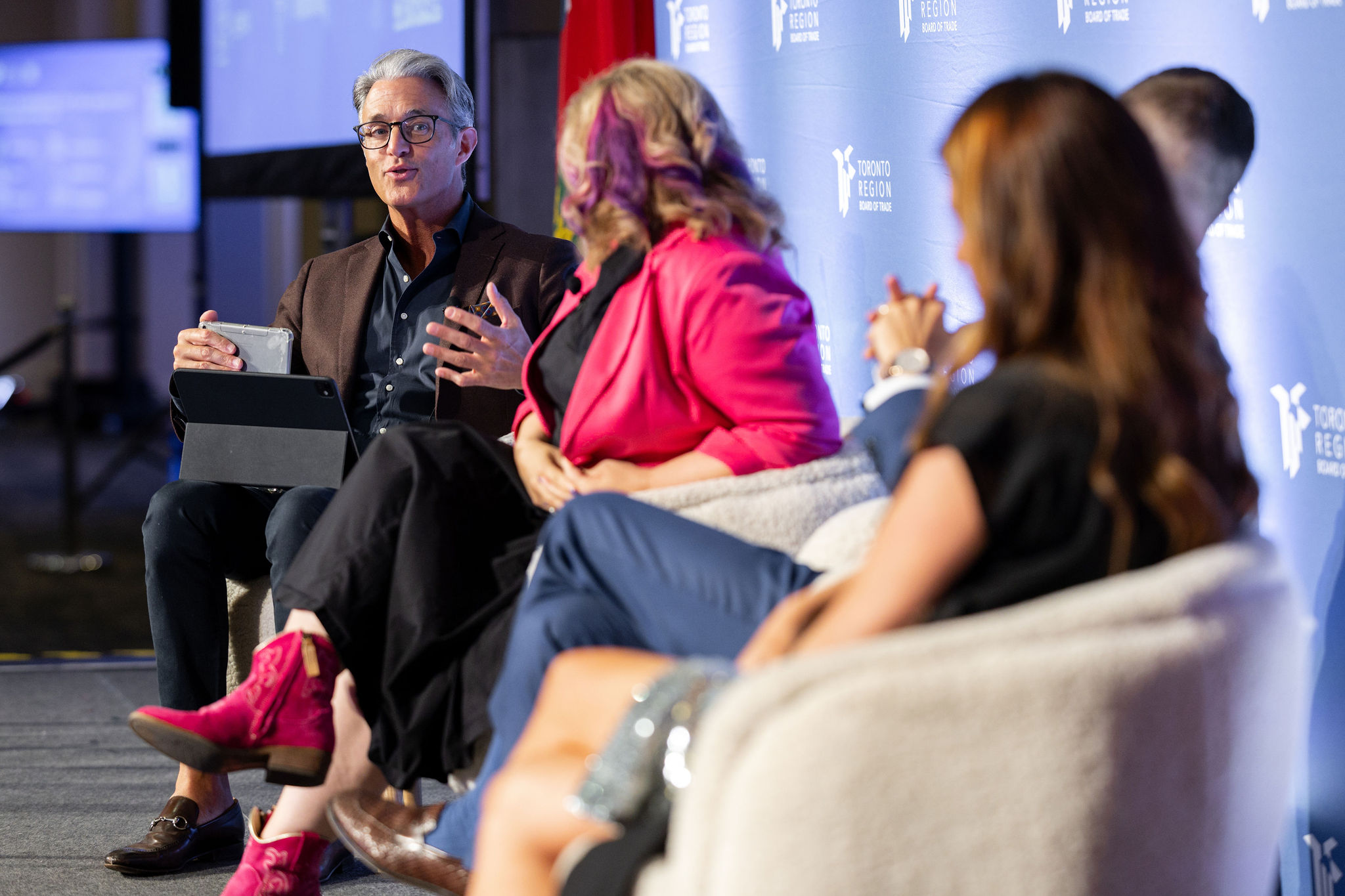
The mayoral election panel brought an economic lens to these municipal decisions. Unaffordable housing makes it harder for young people and skilled workers to build a future in the city. Congestion makes it more expensive to move people and goods. Uncertain funding and slow delivery make it harder to plan and complete the infrastructure needed to support growth.
These pressures are contributing to a broader sense of economic malaise. Board-commissioned Ipsos polling found that 55 per cent of residents believe Toronto’s prosperity is on the wrong track. The next mayor and council will need to demonstrate that Toronto can move faster on the issues affecting affordability, investment and competitiveness.
“Economic shocks require policy moments. We’ve seen some bold moves from Ottawa and Queen’s Park. But we’re going to need more, and in short order. As they did six years ago, governments need to dig deep and double down. It’s time for an all-hands-on-deck growth strategy. The federal government, the province, every province working together, municipalities and business, laser-focused on unleashing productivity, competitiveness and economic growth.”
— Giles Gherson, President and CEO, Toronto Region Board of Trade
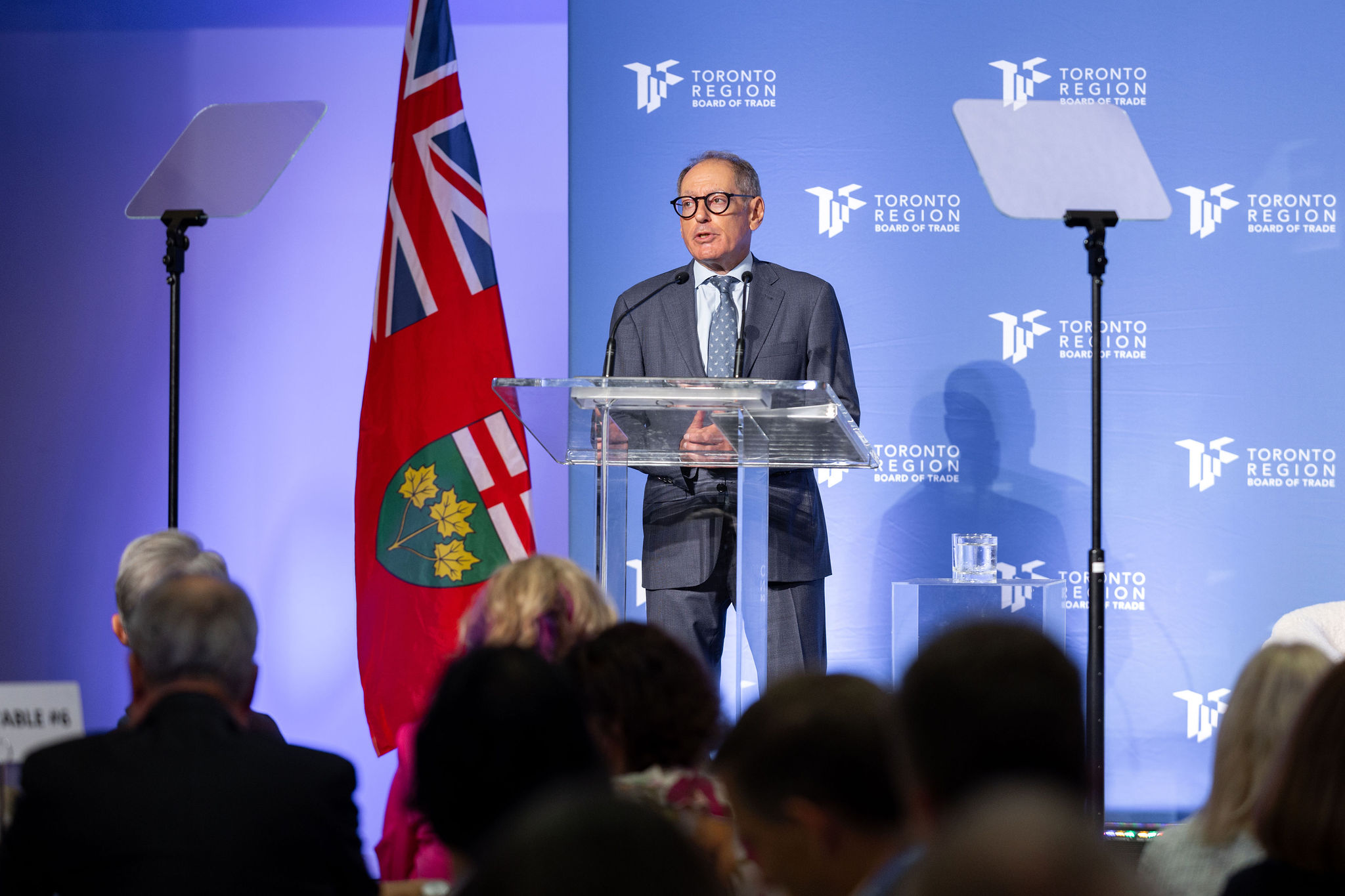
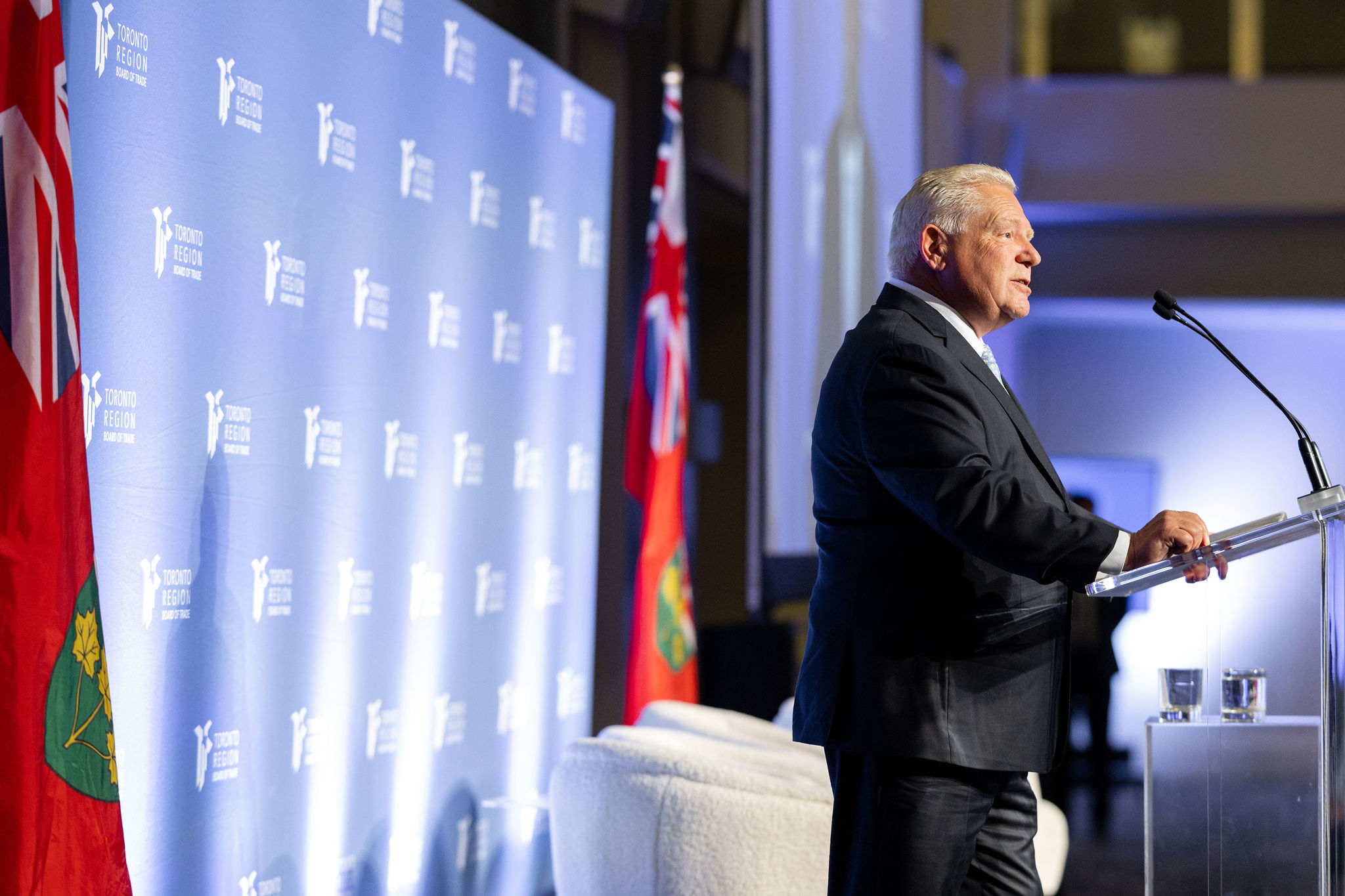
“We have everything we need right here to build the most competitive, resilient and self-reliant economy in the G7. We’ve got the resources. We have the ingenuity. We have the skilled people. We have the world-class workforce that will get it done. I want to thank each and every one of you. You’re all part of Team Canada.”
— The Honourable Doug Ford, Premier of Ontario
“Ontario Tech is certainly doing our part by developing the talent, research and technology Ontario needs in the critical areas of STEM, including nuclear energy. You just heard about the build at Wesleyville, we’ve all got to get on board. That’s more engineers, that’s more tradespeople who can hit the ground running.”
— Dr. Steven Murphy, President and Vice-Chancellor, Ontario Tech University
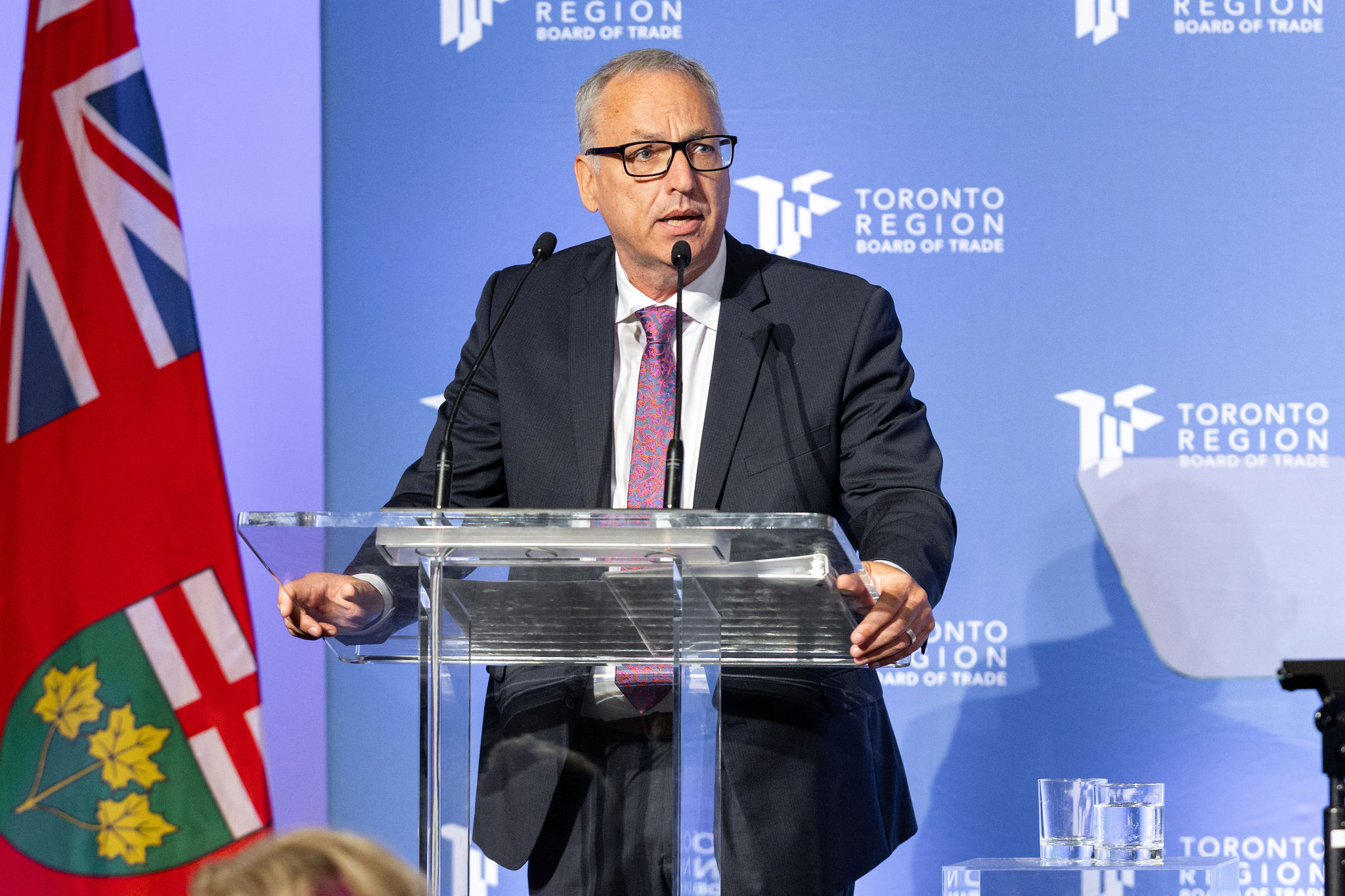
“Our Ontario businesses need an environment they can trust, so they can innovate, they can grow, and they can compete globally. We have to think global, guys. That is why conversations like today’s matter so much. And as the world gets more unpredictable, you want to be in a province led with vision, competence and a focus in keeping Ontario open for business.”
— Ray Williams, President, Music Marketing
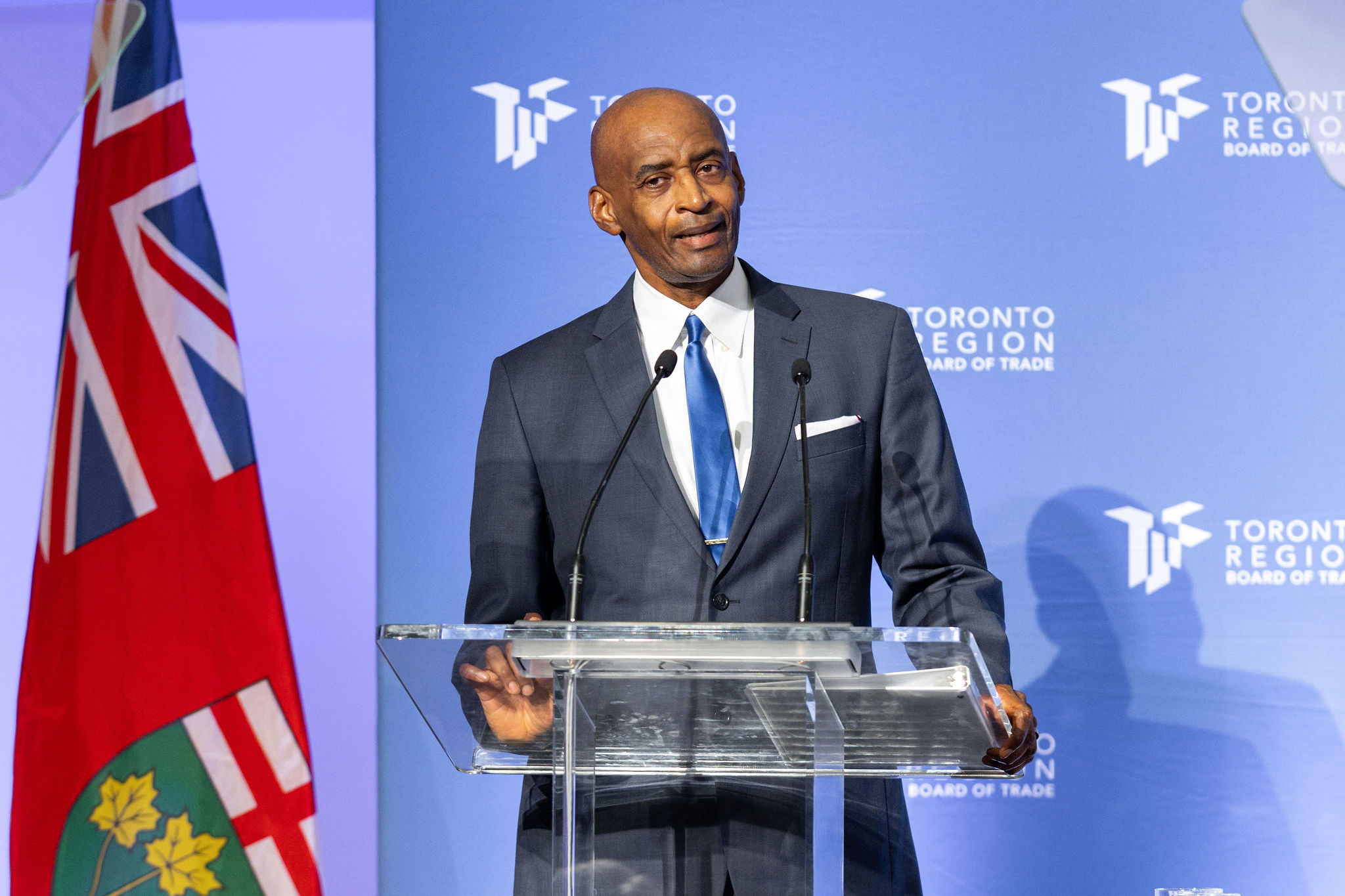
“Yes, you want to build housing. Yes, you want to do these things. We want to help you. Here’s how we can do it, and we can do it better. And every mayor needs to take that ‘yes, and’ approach to how they engage. And every stakeholder in this room needs to come to City Hall with a ‘yes, and’ attitude because the worst way to negotiate is just saying no.”
— Kim Wright, Founder and Principal, Wright Strategies

“I think if you look at all public opinion polling, the thing the mayor will be judged on is getting housing built, right? Getting more affordable housing is the top issue for voters in this city. It’s what they care most about. It’s consistently the response that you hear from voters that they need to see action on. And so I think the mayor’s mandate is, whoever is elected, is to deal with that unique challenge in this city and do something about it.”
— Dan Moulton, Partner, Crestview Strategy
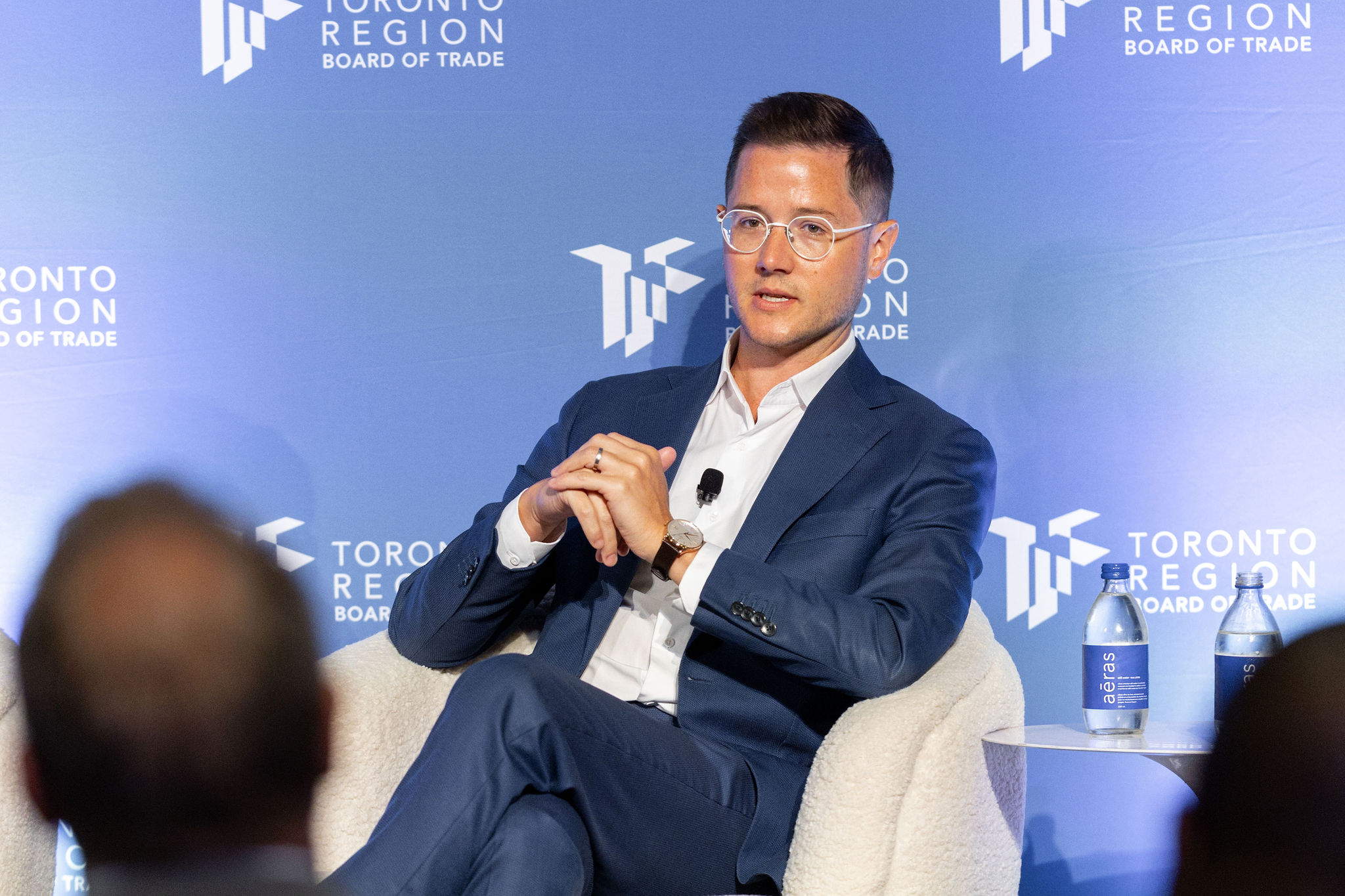
“We talk about leaving sometimes because it would be easier, like much easier. The kids could play. It would be a lot. And I think if I’m having that conversation, someone who passionately loves the city and has been here for 15 years, I think it is a real brain drain, a crisis issue that our leaders should be talking about.”
— Amanda Galbraith, Partner and Co-Founder, Oyster Group

“We want you to help us identify emerging challenges across your sectors. What’s changing? What are the biggest opportunities? And where can the Board and its members make the greatest difference? The strength of our policy agenda comes from the expertise, perspectives and engagement of our policy committee members. And what we hear from you today will help shape the work we do moving forward as we look to the year ahead.”
— Lisa Kimmel, Vice Chair, Toronto Region Board of Trade Board of Directors and Chair, Policy and Advocacy Committee