Ontario is entering a generational energy buildout. The question is whether the province simply buys the equipment to build it, or uses that investment to build industries, strengthen supply chains, create good jobs and export capacity here at home.
Infrastructure spending alone will not make Ontario more competitive. In an era of geopolitical uncertainty and increasingly vulnerable global supply chains, the province must build the manufacturing, processing, engineering, logistics, workforce and supply chain capacity needed to deliver projects at scale, strengthen energy and economic security, and capture more of the economic value they create.
The opportunity is already significant. EY analysis commissioned by the Board estimates that Ontario's cleantech economy generated approximately $24.65 billion in GDP and supported nearly 178,000 jobs in 2023, including almost 100,000 jobs in the Toronto region. The coming energy buildout creates an opportunity to grow that economic footprint substantially further.
Ontario has the ingredients to lead: a clean grid, world-class nuclear expertise, critical minerals, advanced manufacturing and a strong innovation ecosystem. The opportunity now is to connect these strengths through a deliberate energy supply chain and industrial strategy that turns Ontario’s planned infrastructure investment into lasting industrial capacity.
The report identifies five priorities for the province to turn Ontario’s energy buildout into a long-term industrial advantage:
- Map and continuously monitor Ontario’s clean energy supply chain capabilities to identify industrial strengths, critical bottlenecks and investment opportunities.
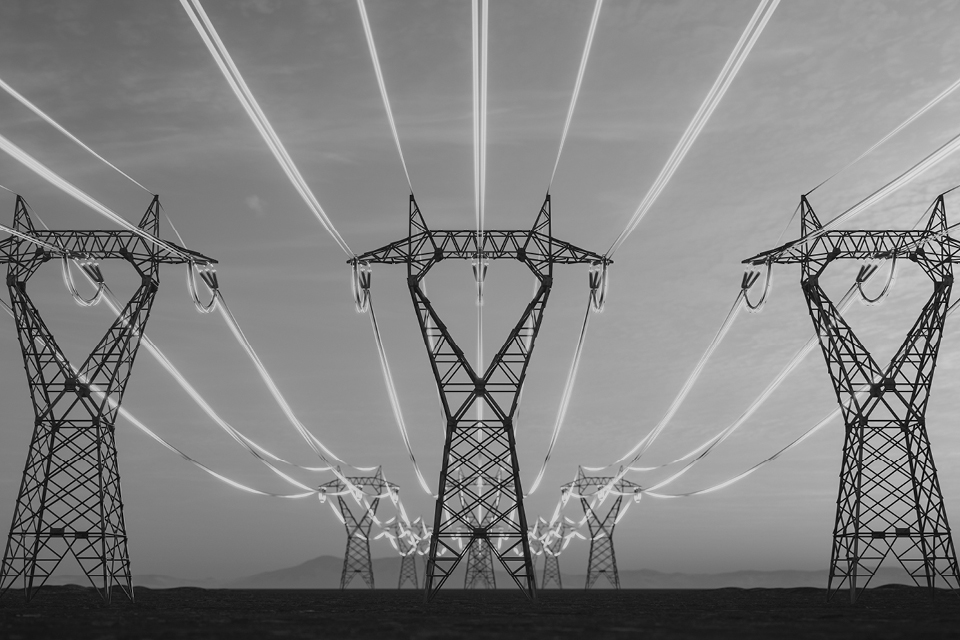
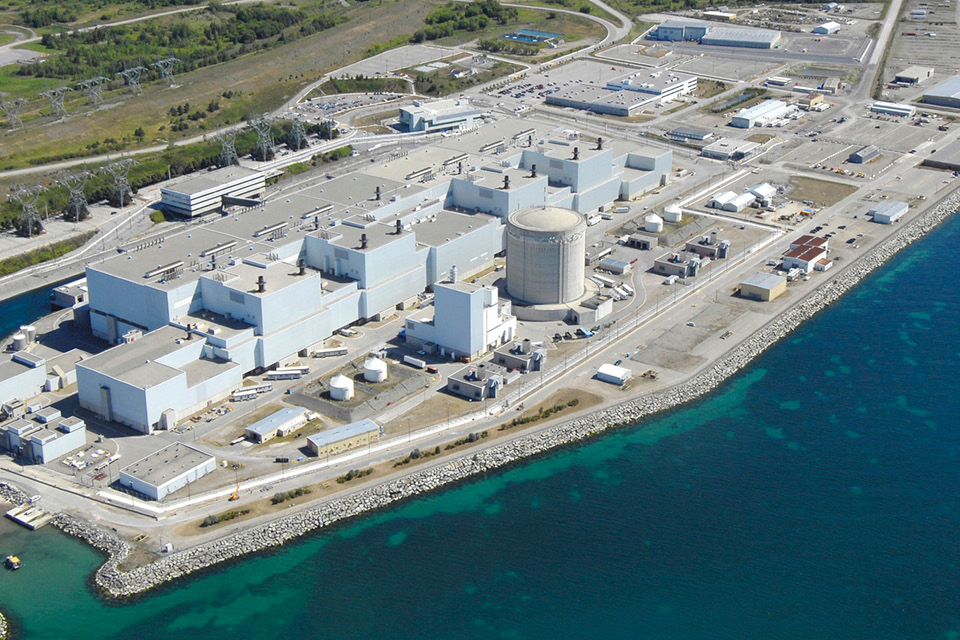
- Expand domestic manufacturing and fabrication capacity for strategic energy infrastructure, including transformers, nuclear components, grid equipment and specialized steel.
- Accelerate critical minerals refining, processing, and downstream manufacturing to capture more value in Ontario, while strengthening supply chain resilience and supporting economic partnerships with Indigenous communities.
- Modernize transportation corridors and logistics infrastructure needed to move oversized energy equipment efficiently and improve delivery certainty for major projects.
- Align procurement with industrial development objectives by creating the long-term demand certainty Ontario companies need to invest, expand capacity and compete globally.
This report draws on extensive research from the Board’s Power Play Sector Analysis, and Workforce Analysis studies, researched by EY Canada and commissioned by the Business Council of Toronto.