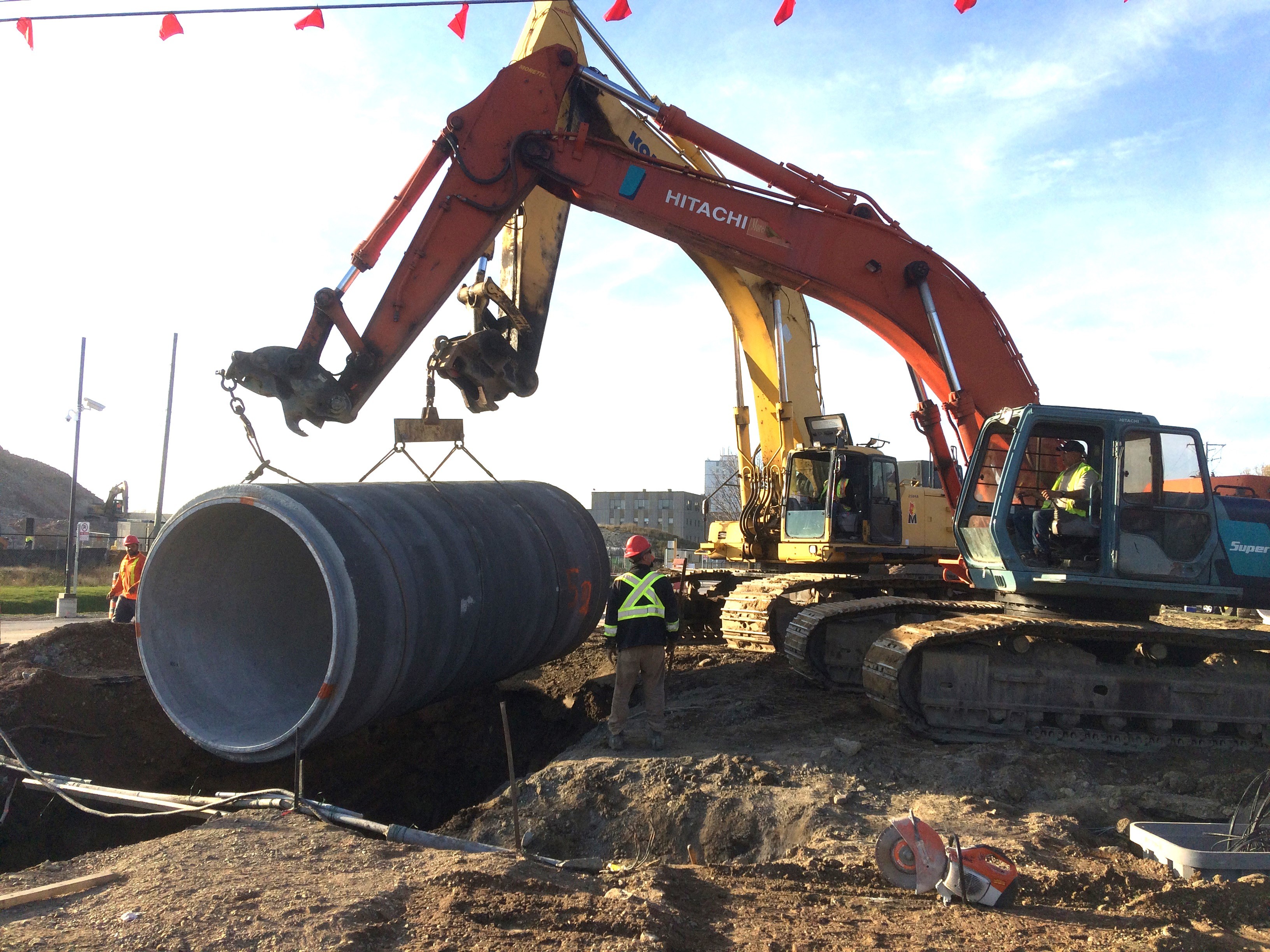
Ontario is in the middle of an infrastructure buildout unlike anything in recent memory. CIMA+ is strategically placing itself to be at the heart of it.
As a national engineering and consulting firm with more than 3,700 people, 45 offices, and over three decades of Canadian infrastructure delivery, CIMA+ has been steadily building its Toronto region presence for years. Now, with a portfolio of regional projects spanning transportation, energy, and water, the firm is ready to be at the heart of the Greater Toronto and Hamilton area’s infrastructure future.
"We are facing unprecedented demand for infrastructure, partly fueled by under-investment in previous years and partly by higher demand in response to shifts in the political landscape, environmental changes, and advancements in technology," says Arsalan Zargar, who joined CIMA+ last year as Senior Vice President of Transportation.

The need for more infrastructure is vital. The GTA is projected to add 1.7 million residents by 2051, putting sustained pressure on transportation networks, water systems, and other community infrastructure.
In response to the complex pressures, the Ontario government has a 10-year capital plan that totals more than $201 billion. Nowhere is the scale of that investment more visible than in energy. Ontario's electricity grid faces skyrocketing demand growth, driven by electrification, EV manufacturing, and data centre expansion. The province’s Energy for Generations plan, released in June 2025, projects between $103 billion and $120 billion in capital investment to expand and modernize the province's electricity distribution system over the next 25 years. The new infrastructure is equally needed to support new housing and industrial electrification across the province.
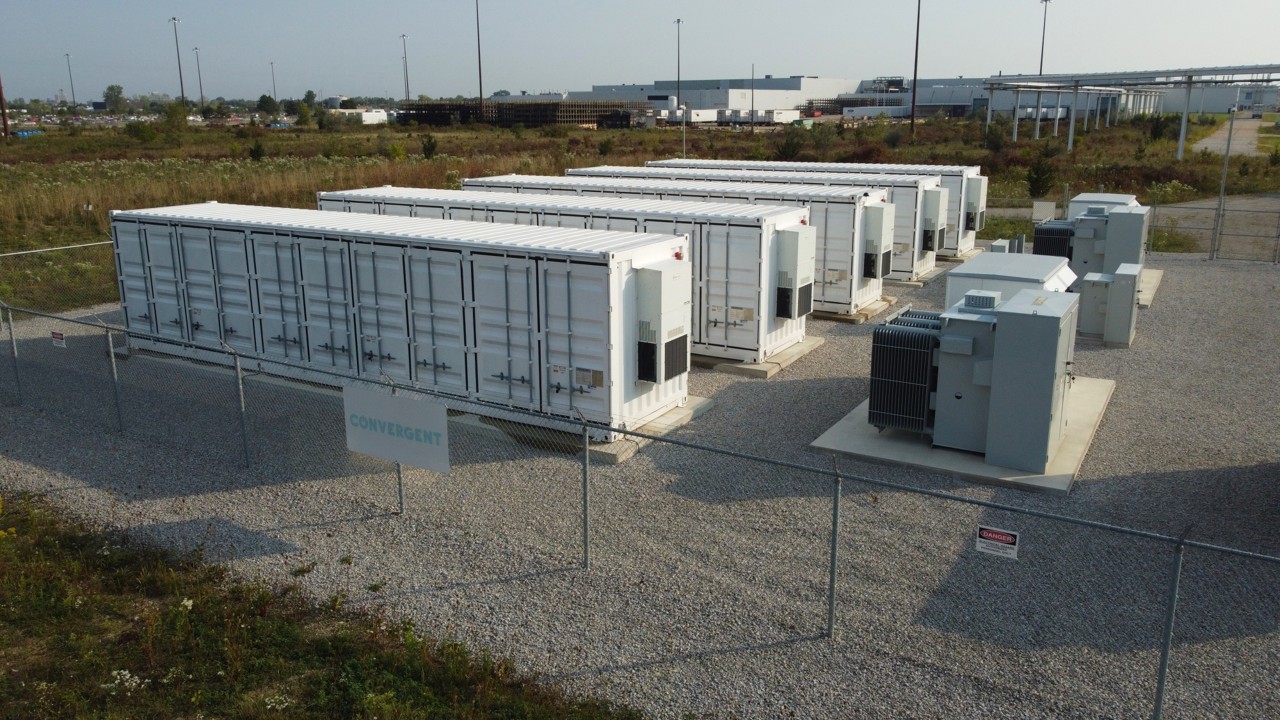
CIMA+ is already deep in this work. The firm has supported the TTC's vehicle electrification program, contributed battery energy storage solutions to the Eglinton Crosstown LRT, and played a role in the Oneida Energy Storage Project, one of the largest battery storage facilities in Canada. Ontario transmission line projects tied to grid expansion and long-term electrification demand round out an energy portfolio that has grown out of planned investment in capabilities the province will need for a generation.
Finding people to build what’s needed, however, remains a significant challenge. According to a 2025 report by Toronto Metropolitan University's Diversity Institute, an estimated 269,000 construction workers across the country — roughly one-fifth of Canada's construction workforce — are expected to retire by 2034, far outpacing the number of new entrants.
Zargar is candid about what stands between ambition and execution.
"Demand for skilled labour and engineering know-how, along with rising costs, will add pressure to our ability to respond to the challenges ahead of us," he says. Part of the solution, in his view, starts with how projects are structured and how partners work together.
"Collaboration is the big word over the past couple of years. A few years ago, alternative delivery model meant a rigid, fixed-price, P3 contract," he says. "Now it means delivery models such as alliance and progressive design-build. The shift is a welcome change by the engineering and construction contracting community – obviously project risks still remain and will require innovative solutions but frankly when you look at the most common drivers of the largest claims and disputes between owners and engineers/contractors, it often comes down to ‘how we work together’ rather than ‘what we do’ and the ways we execute."
For CIMA+, that shift aligns naturally with how the firm is structured. As an employee-owned company, its project teams hold a direct stake in every project outcome, which Zargar sees as a meaningful differentiator in a market where accountability can be easy to talk about and harder to demonstrate.
"Our employees are personally invested in the success of every project," he says. "Not simply to satisfy a contractual obligation, but as owners of the business with a vested interest in achieving successful outcomes and exceeding our clients’ expectations."

Before joining CIMA+, Zargar spent years representing public sector owners and agencies. That experience shapes how he thinks about what good advisory work looks like.
"Clients today need timely, informed decision-making more than ever before," he says. "That means engineering and construction partners must be proactive in identifying risks early, anticipating challenges, and presenting practical, solution-oriented options before issues impact schedule or costs."
For the Toronto region's infrastructure owners, project sponsors, and policy leaders, CIMA+ is making a clear case: that the firm's national scale, its collaborative culture, and its decades of sustained investment in the region's water, energy, and transportation future make it a partner built for this moment.
To learn more about CIMA+'s work, visit cima.ca.