
Virtual
AI is making it easier to apply for jobs, but harder for employers to know which signals to trust. What happens when strong candidates sit outside the networks some employers rely on most?
That is one of the questions emerging from TRIEC's recent consultation with employers and settlement and employment organizations about what is changing in hiring. In this session, we will share insights from those conversations and from our broader work with employers and immigrant professionals, including where different perspectives on today's talent landscape align and where they diverge.
We will also look beyond recruitment. Once talented people are inside an organization, are employers recognizing and developing their potential? Along with sharing what we are seeing, we will offer practical suggestions and questions employers can use to think about how they find, recognize, develop and retain talent as they plan for future workforce and leadership needs.
- How AI is changing the signals employers use in hiring: What we heard about increasingly polished applications, the challenge of distinguishing between candidates, and why some employers are placing greater value on networks, referrals and other human signals.
- What growing reliance on networks can mean for access to talent: Why trusted relationships can help employers identify strong candidates, while also making it important to consider who may sit outside existing professional networks.
- Where employer and candidate experiences can diverge: What emerged when employers and organizations supporting job seekers compared perspectives on today's recruitment environment.
- Why finding talent is only part of the challenge: What TRIEC's work with employers and immigrant professionals has shown us about development, advancement and the risk of overlooking potential future leaders.
- Practical ways to apply these insights: Questions and suggestions employers can use to examine the signals they rely on in hiring, who may be harder to see through existing networks, and how clearly employees understand pathways to growth and advancement.
- CEOs, executives and senior leaders thinking about workforce and succession planning
- HR, People and Culture, and Talent Acquisition leaders
- Leaders responsible for learning, leadership development or organizational development
- People managers responsible for developing and retaining talent
- Employer associations and other organizations interested in workforce development and talent strategy
Agenda
TBD
Speakers
-
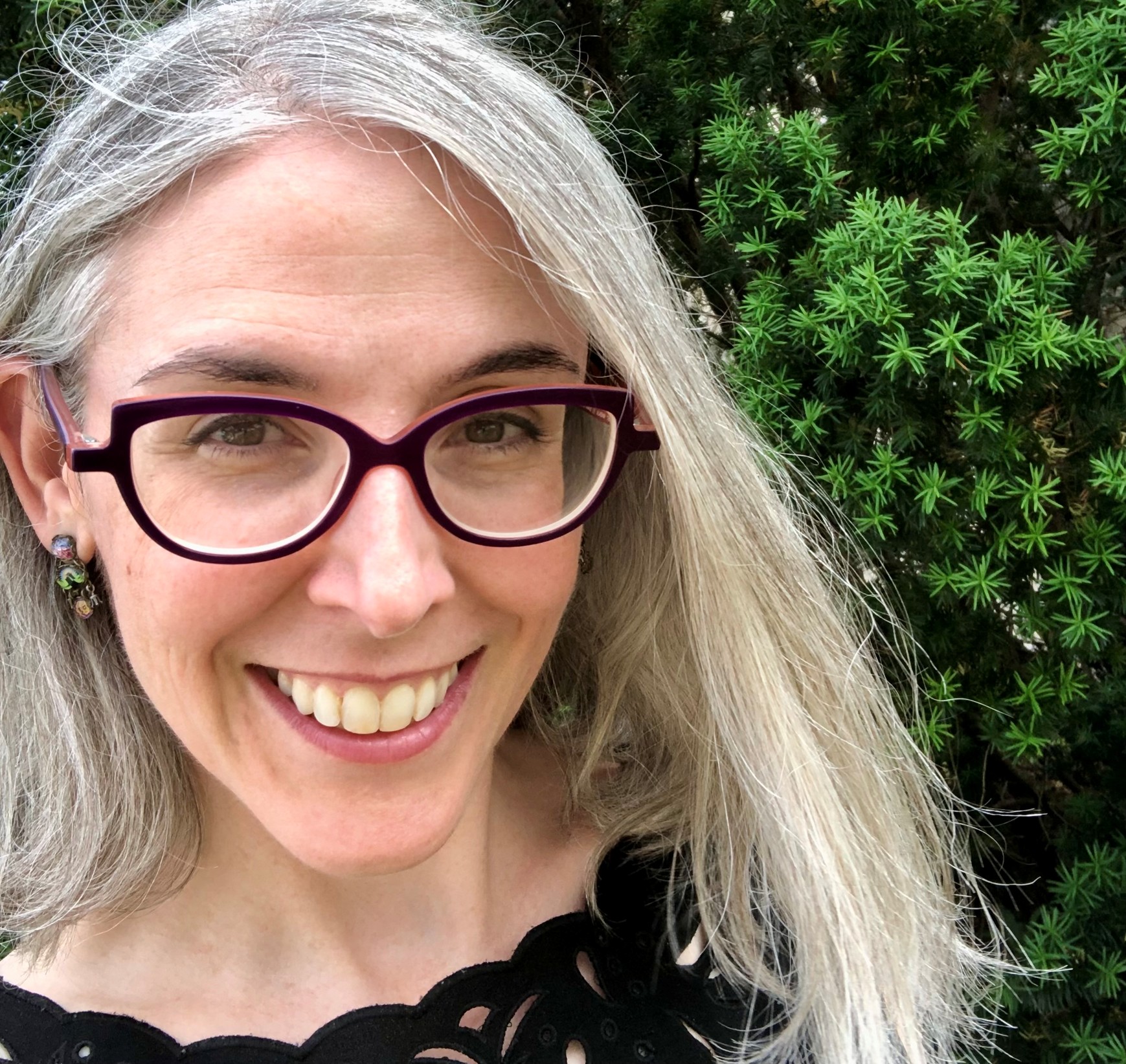
Rachel Crowe
Senior Manager, Learning Initiatives
Toronto Region Immigrant Employment Council (TRIEC)
Tickets & Registration
This event is free.